
Whether you’re proposing a fresh digital marketing strategy, an SEO overhaul, a commercial solar project or an innovative social media campaign, the key is crafting a proposal that truly resonates with your audience. That involves grabbing (and holding) their attention with creativity, presenting your ideas with clarity, and then persuading them decisively
That knowledge is all well and good, but how do you structure and execute this three-pronged approach? This guide has the answers. It includes the anatomy of a proposal that communicates your vision and value, practical insights and examples from various marketing domains, and templates you can use to speed up and scale your efforts. If you run an agency, you can also see how Qwilr works for marketing and digital agencies.
It includes:
- The anatomy of a proposal that communicates your vision and value compellingly
- Practical insights and examples from various marketing domains
- Templates you can use to speed up and scale up your efforts.
Key Takeaways
- Structure is Key: Crafting a marketing proposal needs a clear structure. We’ll outline the essential sections that every marketing proposal should include.
- Customization is Crucial: Each marketing channel has its nuances. Whether it's SEO, social media, or Google Ads, tailoring your proposal to specific tactics and metrics is critical for success.
- Clarity and Persuasion: Your proposal should outline what needs to be done and persuade stakeholders of its importance. We'll show you how to articulate your strategies, so they resonate strongly with your audience.
- Actionable Examples: We provide templates that you can use as a launching pad for your own documents.
- Leverage Technology: Tools like Qwilr's AI Proposal Creator can draft a proposal from your website in minutes, then let you refine and track it.
How should a marketing proposal be structured?
When you're creating a marketing proposal, think of it as a well-organized story. Each part should smoothly lead into the next, creating a compelling narrative that's hard to put down. Here’s how to structure your marketing proposal to ensure it captures and keeps attention:
- Executive Summary: Start with a bang! The executive summary should grab interest and give a snapshot of what’s to come, highlighting the main goals of your strategic marketing services and what you propose to achieve.
- Problem Statement: Clearly define the problem or challenge your proposal addresses. This section empathizes with your reader, showing you understand their pains and are here to help solve them.
- Proposed Solution: Lay out your strategy in clear, actionable steps. Explain how your marketing plan and all the hard work you'll put in are tailored to address the issues outlined in the problem statement.
- Goals and Objectives: Be specific. What exactly does effective marketing look like? Quantifiable goals make them more tangible and easier to measure. For example, increase web traffic by 20% in the next quarter or grow social media engagement by 30%.
- Timeline and Milestones: Provide a timeline for when each key milestone will be achieved. This keeps everyone on the same page and builds confidence in your plan’s feasibility.
- Budget: Let’s talk numbers. Outlining costs and the financial investment required is non-negotiable. Give clear marketing pricing options and include a justification for each expense to pre-empt any sticker shock.
- Case Studies and Previous Work: Nothing builds credibility like proven success. Include brief case studies or examples of previous projects or a customer testimonial that demonstrates your ability to deliver results.
- Call to Action: End with a clear call to action. What do you want the reader to do next? Whether scheduling a meeting, calling for more information, or simply approving the proposal, make it clear and easy to take the next step.
Remember, your marketing proposal is more than just amazing content—it’s a persuasion tool. By structuring it effectively, you outline a plan and make a compelling case for why your strategy will work.
16 Marketing proposal examples to use
Diving into the specifics can make all the difference. In the following sections, we'll explore a variety of marketing proposals tailored to different channels. Whether you're a seasoned pro or just starting out, these templates will provide a solid foundation to build upon, ensuring your marketing strategies are innovative and impactful.
Bonus: Check out how to write a market research proposal
1. Digital marketing proposal example
In the digital marketing world, your marketing proposal is your calling card. It needs to be sharp, engaging, and ahead of the curve.
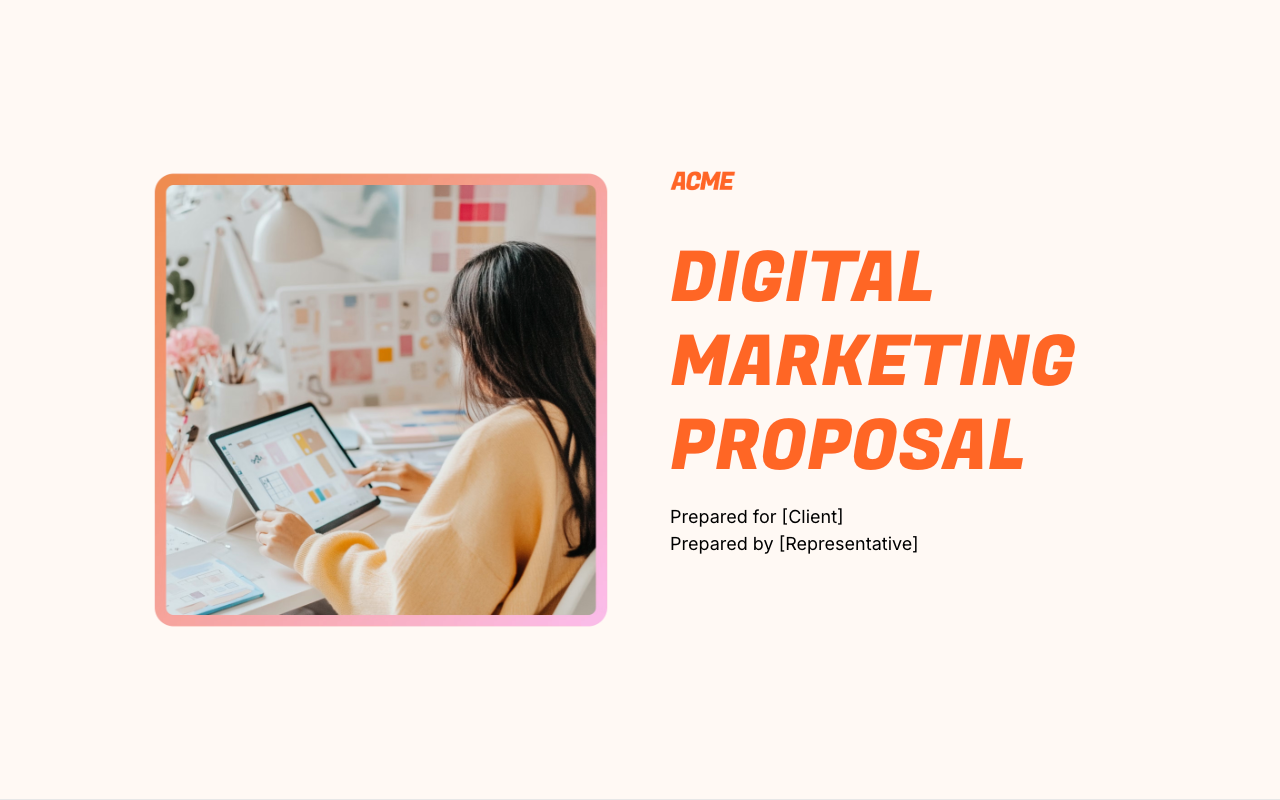
Here’s a snapshot of what a stellar digital marketing proposal might include:
Objective:
For example, your objective may be to increase the client's digital footprint and enhance online engagement by 30% over the next six months through integrated digital strategies.
Target Audience Analysis:
Define the target audience's core demographics, interests, and online behaviors. Use this data to tailor messages and choose the most effective platforms for engagement.
Strategic Approach:
- Content Marketing: Develop a content calendar that includes weekly blog posts, bi-weekly infographics, and monthly instructional videos to drive engagement and SEO.
- Social Media Marketing: Utilize organic and paid strategies on platforms like Instagram, Facebook, and Twitter to boost brand visibility and engagement.
- Email Marketing: Implement a bi-monthly newsletter campaign segmented by user interest to increase personalization and open rates.
Measurement and Analytics:
Outline the tools and metrics for tracking success, including Google Analytics for web traffic, social media analytics for engagement rates, and email marketing performance metrics. For agencies offering outsourced services, using white-label marketing tools can streamline reporting and branding, helping present data with your agency's branding effortlessly.
Budget Overview:
Provide a clear, itemized budget that correlates spending with expected outcomes, ensuring transparency and aligning with client expectations.
Look at Qwilr’s digital marketing template, which incorporates all these key elements in an engaging, interactive format.
2. SEO proposal example
Think of your SEO proposal as a roadmap to the top of search results. It should include an SEO audit and competitor analysis, a keyword strategy (primary and long-tail), on-page enhancements, technical SEO fixes, link building, and monthly reporting on rankings and traffic.
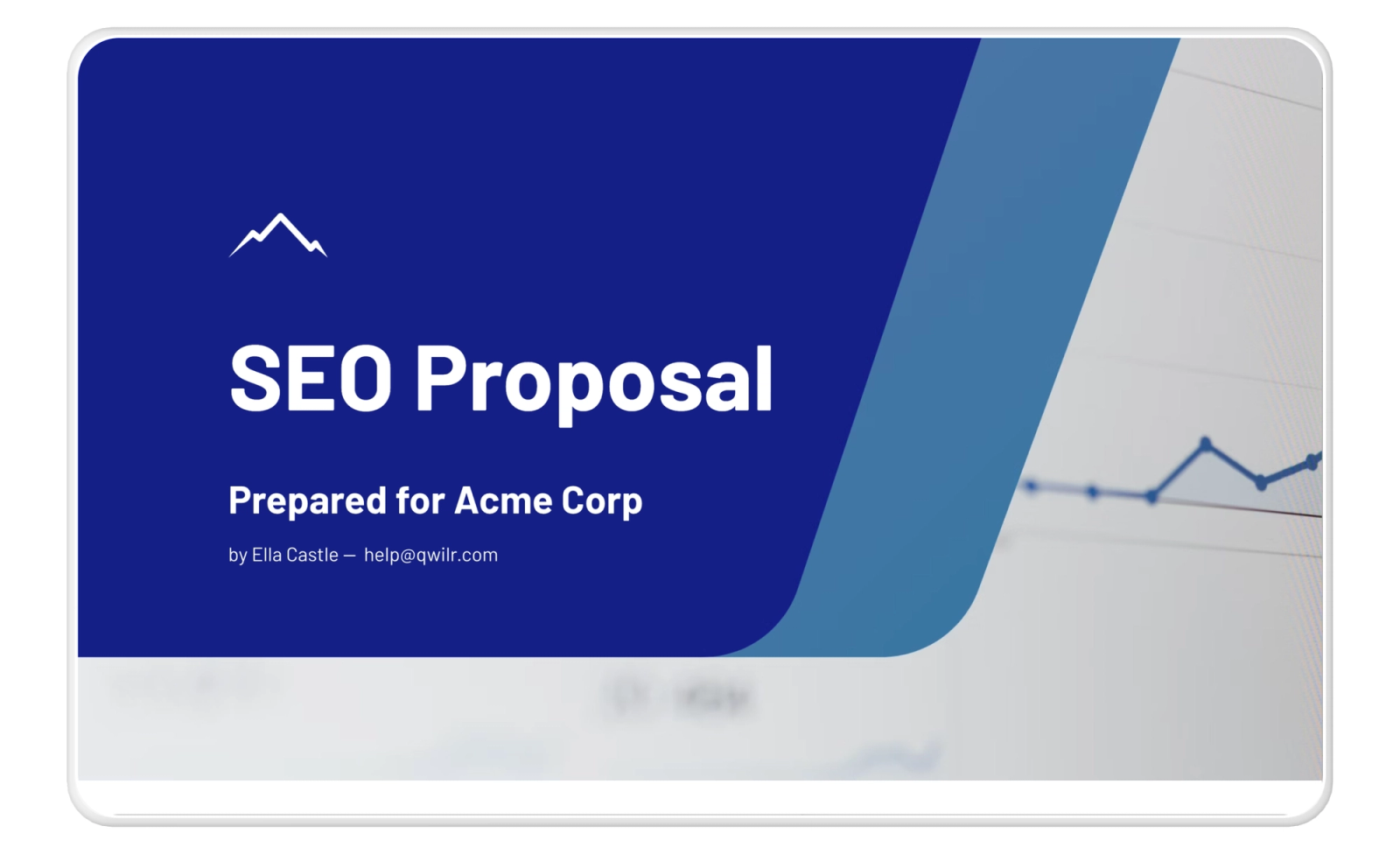
Here’s a concise breakdown of what a winning proposal should include:
Objective:
To win an SEO project, your objective might be to boost organic search rankings and increase website traffic by 40%. You may get more specific and propose to do this within the next year by targeting high-value keywords and improving site usability.
SEO Audit and Competitor Analysis:
Start with a comprehensive audit of the current website to identify SEO strengths and weaknesses. Also, analyze top competitors to understand their SEO strategies and find gaps.
Keyword Strategy:
- Primary Keywords: Focus on competitive keywords that are central to the client’s services.
- Long-Tail Keywords: Target specific, niche phrases that are less competitive but highly relevant.
On-Page SEO Enhancements:
- Content Optimization: Refresh existing content and create new, keyword-optimized articles and blogs.
- Meta Tags and Headers: Update meta descriptions, title tags, and headers to include targeted keywords.
Technical SEO:
- Improve site speed and mobile responsiveness.
- Implement structured data to enhance indexing.
Link Building:
Employ ethical strategies to acquire high-quality backlinks from authoritative sites.
Reporting:
Monthly reports on keyword rankings, traffic statistics, and link-building progress using tools like SEMrush or Ahrefs.
Our SEO proposal template will help you design a strategic, data-driven, and results-focused proposal in double-quick time.
3. Social media proposal example
With social media, engagement is key (and content is king!). An effective strategy is one that understands the target audience and how social media content will drive business goals. Remember to always tie your tactics to real business metrics for an outstanding proposal.
Here’s how a strong social media proposal looks in the vibrant world of social media:
Objective:
Ie. Elevate brand presence and increase engagement by 50% across all major social media platforms within the next six months.
Audience Identification:
Pinpoint the target demographic for each platform. Instagram might skew younger, while LinkedIn appeals to professionals. Tailor content to fit the unique audience of each platform.
Content Strategy:
- Regular Posts: Schedule daily posts across platforms using a mix of images, videos, and text to keep the content fresh and engaging.
- Live Sessions and Stories: Utilize Instagram and Facebook stories, plus weekly live sessions, to interact directly with followers and boost real-time engagement.
Paid Advertising:
Implement targeted ad campaigns on Facebook and Instagram to reach a broader audience. Adjust ads based on performance analytics for maximum impact.
Engagement Plan:
Outline strategies for interacting with followers, such as prompt responses to comments and user-generated content initiatives.
Measurement and Reporting:
Use platform-specific analytics to track engagement metrics like shares, likes, and comments. Provide monthly reports to show progress and adjust strategies as needed.
Qwilr’s Social Media Marketing Template ensures you engage with your prospective clients in the same way your strategy promises to help them do with theirs.
4. Influencer marketing proposal example
Your unique voice and engaged following are your greatest assets. An effective influencer marketing proposal introduces you and your brand, shows you understand the brand's needs, details your audience demographics, highlights previous campaign results, proposes specific collaboration ideas, defines success metrics, and sets out budget and terms with a clear call to action.
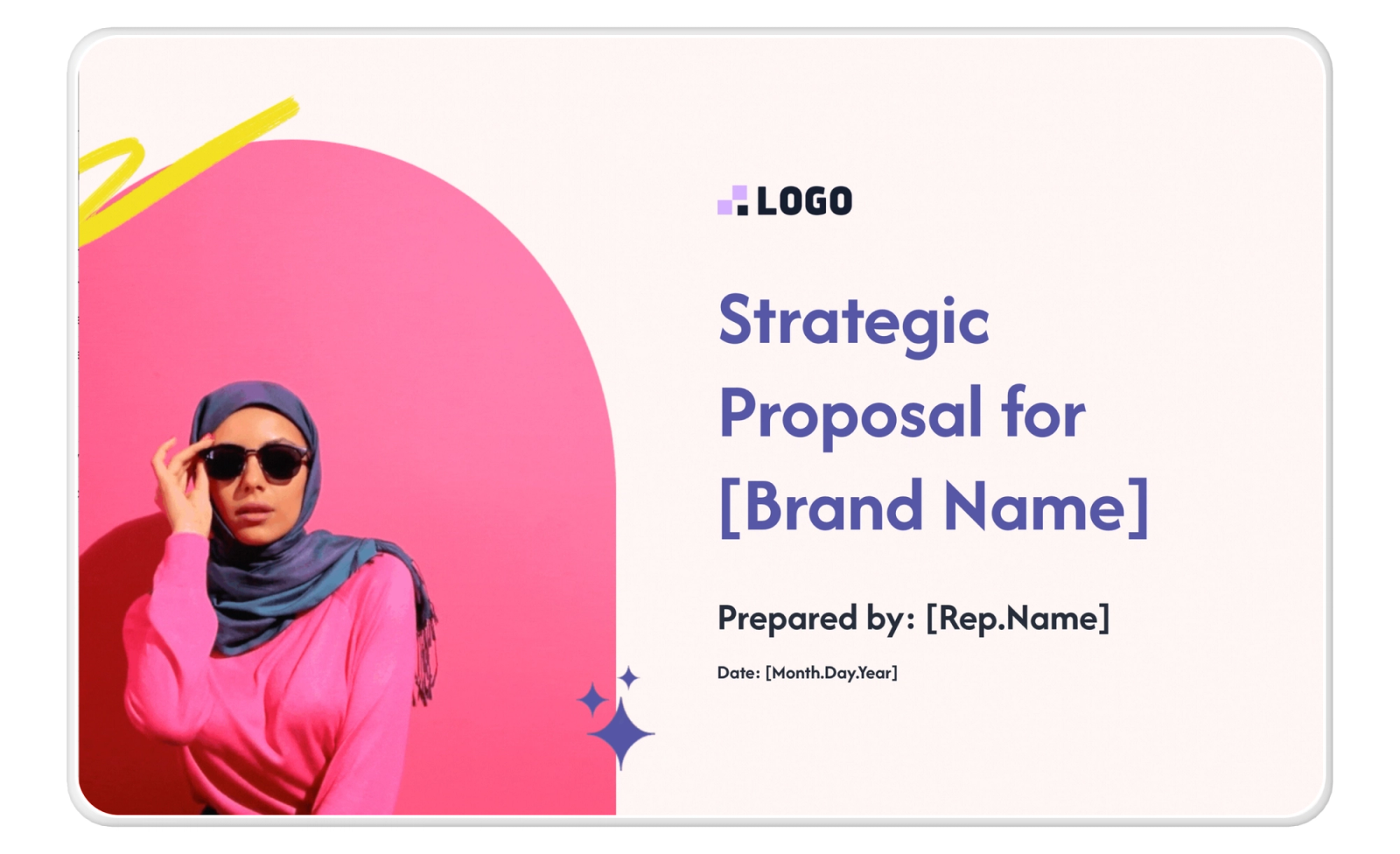
Check out the example below:
Objective: How you will collaborate with brands in a way that leverages your unique relationship with your audience to meet their marketing goals, enhancing brand visibility and engagement.
Introduction to Me and My Brand: Start by sharing your personal and brand story: what drives you, what you stand for, and the unique qualities that set you apart from others..
Understanding the Brand's Needs: Demonstrate a deep understanding of the potential partner’s brand, their market position, and their goals.
Audience Demographics and Insights: Provide a detailed overview of your audience, including demographics, interests, and behaviors. Explain why your followers are a good fit for the brand’s target market, highlighting any unique characteristics that might make your audience particularly valuable.
Highlight Previous Campaigns: Include specific results such as engagement rates, conversion data, and how these efforts have helped meet campaign goals, providing concrete evidence of your influence and capability.
Proposal for Collaboration: This should include specific, tailored ideas that utilize your strengths and cater to what your audience loves—be it Instagram takeovers, a video series, or exclusive content about the brand.
Define Success Metrics: Detail how success will be measured, including key performance indicators such as engagement rates, reach, lead generation, and sales conversions.
Budget and Terms: Clearly outline the financial aspects and any other terms of the proposed collaboration.
Call to Action: What do you want the brand to do next? Schedule a meeting, a call, or start a trial collaboration? Make it easy for them to take the next step.
By addressing these elements in your influencer marketing proposal, you position yourself not just as a promoter, but as a strategic partner capable of driving real business outcomes. Check out our influencer proposal template to see how you can speed up your outreach in style.
5. Google Ads proposal example
A Google Ads proposal that gets results sets a conversion objective, defines audience targeting, lays out the campaign structure (search, display and remarketing), allocates budget to the best-performing ads, and reports weekly on click-through, conversion and ROI.
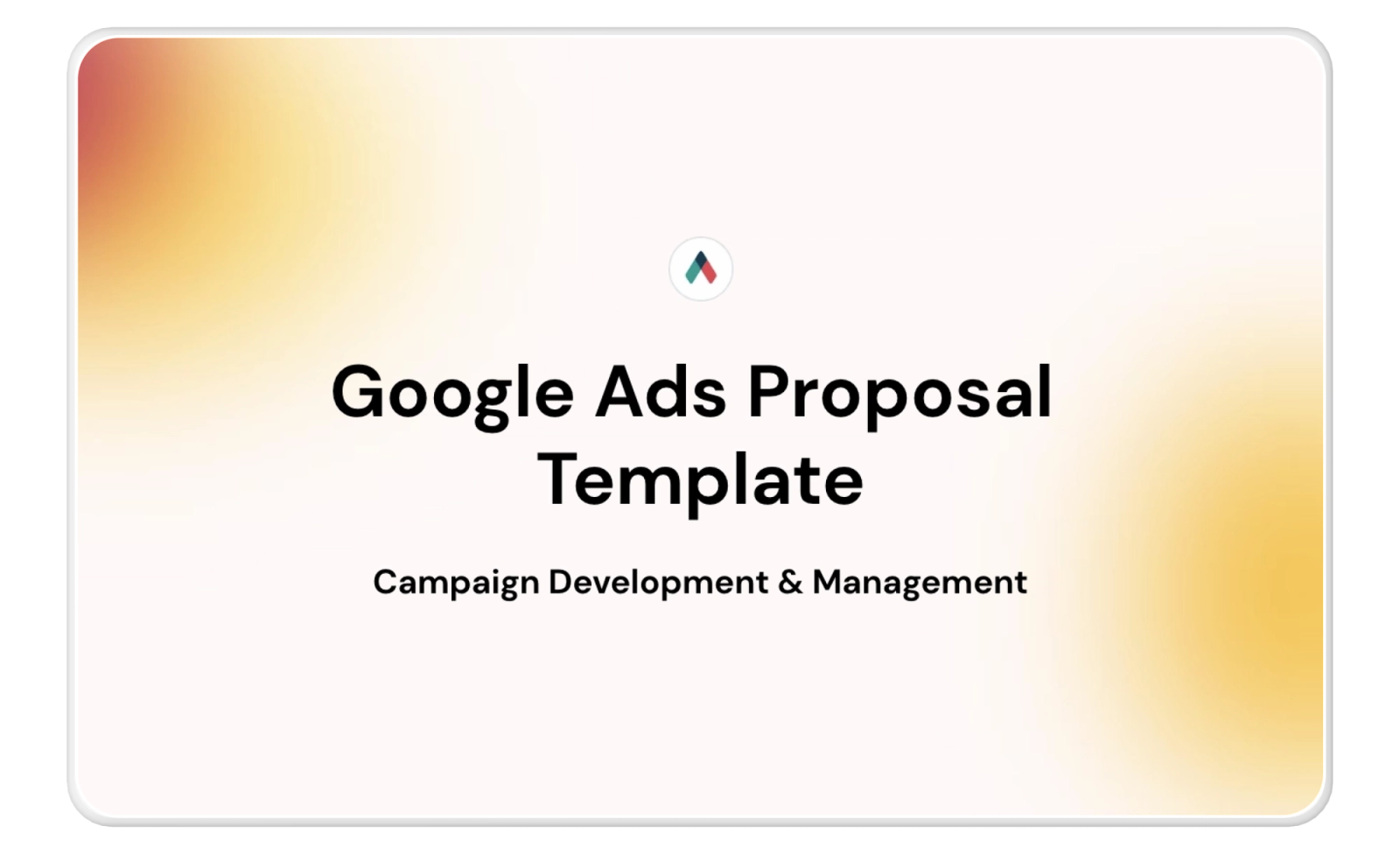
Here’s a concise guide that gets results:
Objective:
Drive increased traffic and conversions through targeted Google Ads campaigns, aiming for a 25% uplift in conversion rates over the next three months.
Audience Targeting:
Define the target audience based on demographics, interests, and search behaviors. Use this data to segment the audience for more personalized ad experiences.
Campaign Structure:
- Search Ads: Target high-intent keywords that potential customers are searching for.
- Display Ads: Utilize visually appealing ads on relevant websites within the Google Display Network to increase brand visibility.
- Remarketing: Re-engage users who have visited your website but haven't converted yet.
Budget Allocation:
Detail the budget for each type of ad, focusing on optimizing spend for the best-performing ads.
Performance Tracking and Optimization:
Use Google Analytics and Google Ads reporting tools to monitor campaign performance daily. Adjust strategies based on data to improve ROI.
Reporting Schedule:
Provide weekly performance reports to stakeholders, highlighting key metrics like click-through rates, conversion rates, and overall ROI.
Our Google Ads proposal template helps create a stunning, branded, customized document in minutes.
6. Mobile app development proposal example
This proposal focuses on conveying your vision in a way that your prospects resonate with. You have the development skills, now you just need to show them off.
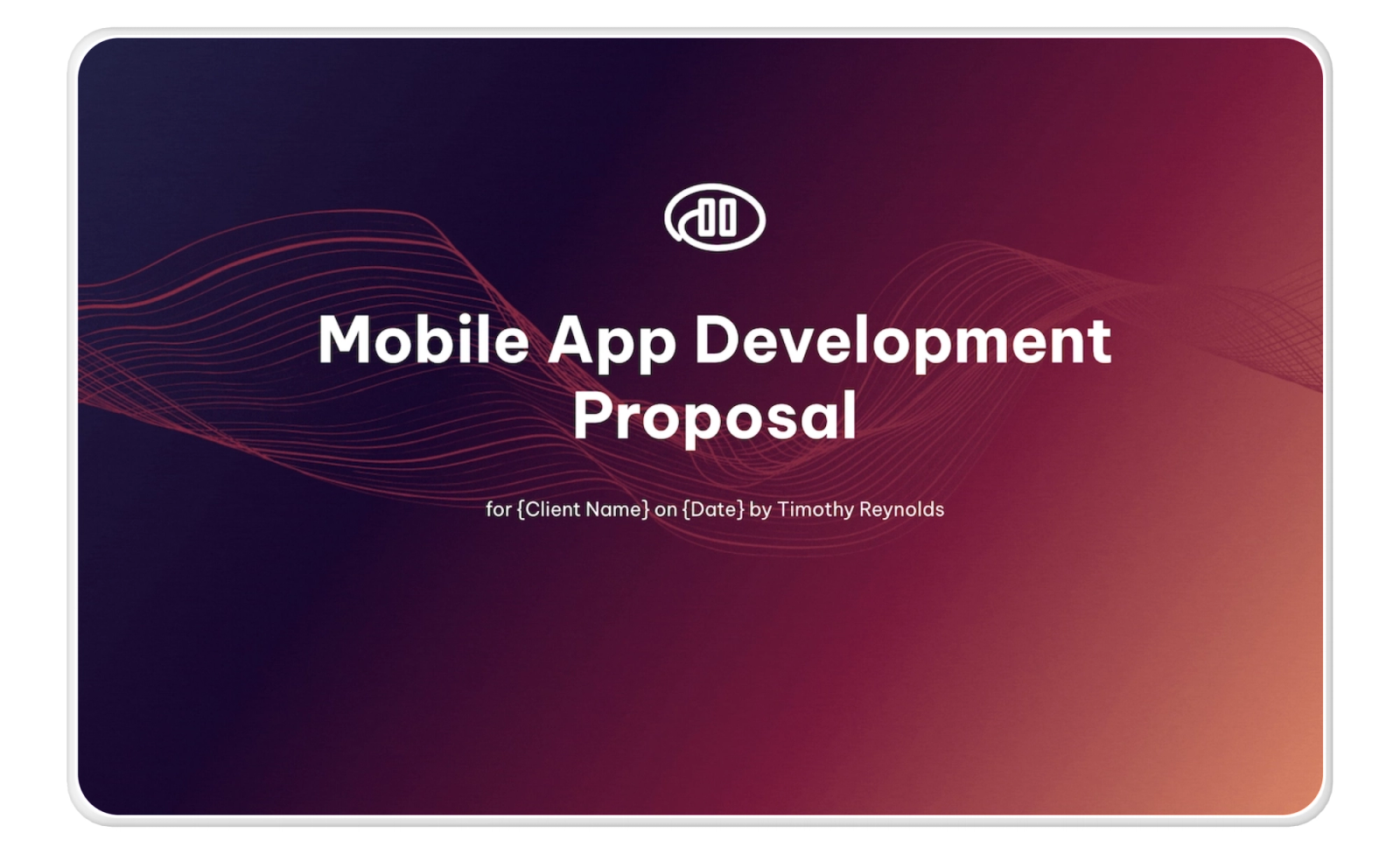
Here’s how to present a mobile app development proposal that captures both the vision and the practical steps to realization.
Objective:
Develop a user-friendly mobile app that enhances customer interaction and increases service accessibility, aiming for a 30% increase in user engagement within the first six months after launch.
Market Analysis:
Conduct a detailed analysis of the target market to ensure the app meets the specific needs and preferences of the intended user base. Include competitor app features and user feedback to guide development.
Feature List:
- Core Features: Outline essential functions like user registration, profile management, and notifications.
- Unique Features: Highlight innovative elements such as augmented reality capabilities, custom recommendations, or integration with wearables.
Development Phases:
- Prototype: Create a basic version of the app to gather initial feedback.
- Design and Development: Transition into full-scale development with iterative testing.
- Launch and Optimization: Release the app with a marketing push and continue to optimize based on user feedback.
Budget Overview:
Provide a breakdown of development costs, including design, programming, and marketing.
Timeline:
Estimate key milestones, from initial design to public launch.
Take a look at Qwilr’s mobile app development proposal template for a comprehensive, innovative and tailored pitch in a fraction of the time.
7. Email marketing proposal example
Email marketing is not dead, it is still one of the most effective channels done right. In fact, it’s still one of the most successful marketing channels if done right. Create your proposal with the goal of connecting your email marketing skills and your client’s needs.
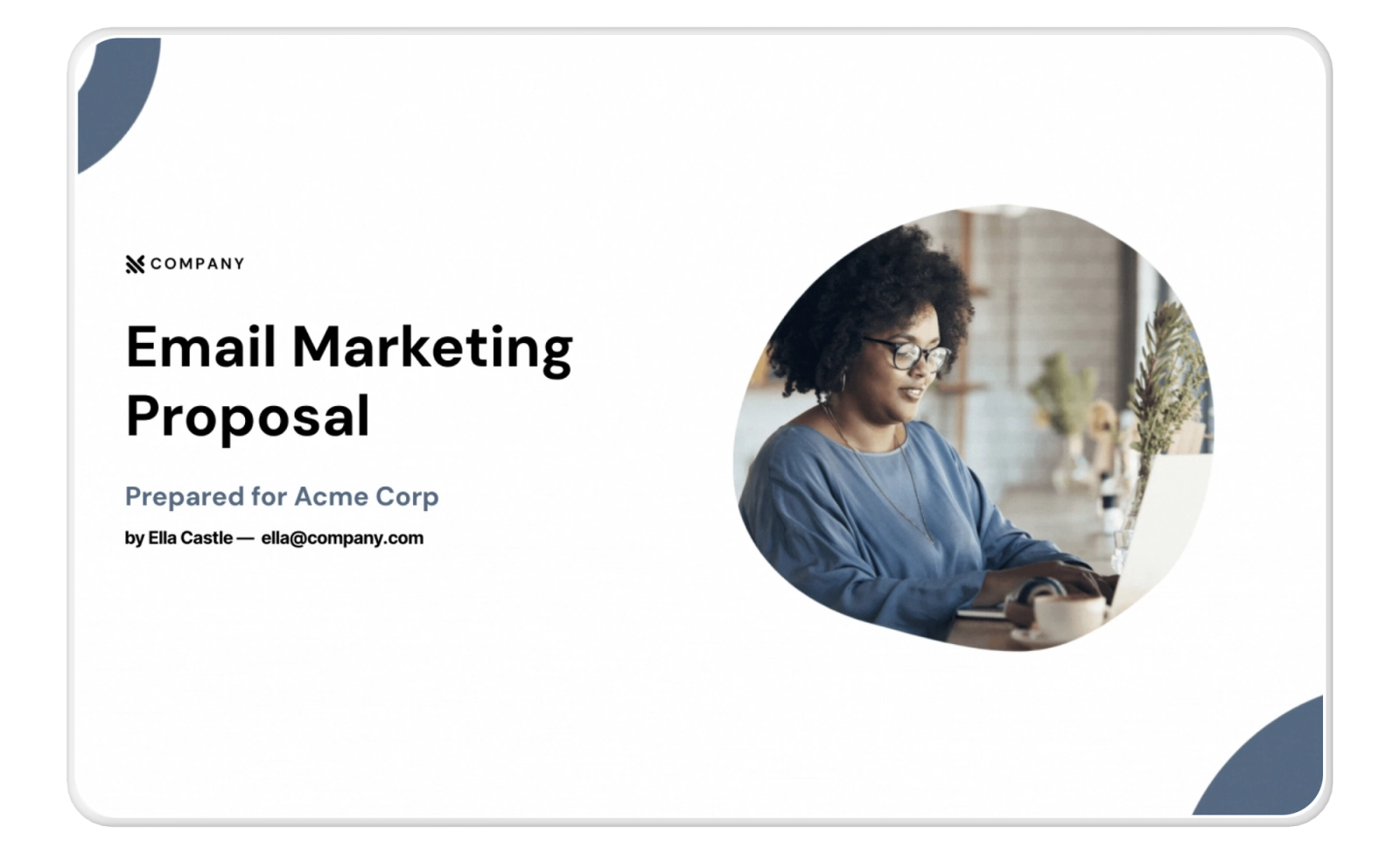
Below is a concise guide on how to craft an email marketing proposal that connects and converts.
Objective:
Enhance customer retention and increase sales through targeted email campaigns, aiming for a 20% improvement in click-through rates and a 15% rise in conversion rates over the next quarter.
Audience Segmentation:
Break down email list into specific segments based on customer behavior, purchase history, and demographics. This allows for highly personalized email content that resonates more deeply with each segment.
Campaign Strategy:
- Welcome Series: Engage new subscribers with a sequence of introductory emails.
- Promotional Campaigns: Drive sales with emails that highlight special offers and new products.
- Regular Newsletters: Keep your brand top-of-mind with monthly updates, tips, and customer stories.
Content Plan:
Include a mix of compelling visuals and concise, engaging text. Each email should have a clear call-to-action, guiding readers to the next step.
Testing and Optimization:
Plan to A/B test different subject lines, email layouts, and sending times to discover what works best with the audience.
Metrics and Reporting:
Track open rates, click rates, and conversions. Provide monthly reports to show progress and adjust tactics as necessary. For a deeper understanding of performance, calculate your ROI of email marketing to determine the actual return on each campaign. This provides real-world benchmarks you can use to contextualize your results and set realistic goals
Our Email Marketing Proposal Template helps showcase the dynamic strategy that not only reaches their customers but also engages them effectively, driving measurable results.
8. Website design proposal example
An engaging, user-friendly website is a digital storefront. Your website design proposal should set a UX objective, define the audience, detail design elements (homepage, navigation, visual design, mobile optimization so it works smoothly across devices), lay out a content plan and development approach, and cover maintenance and support.
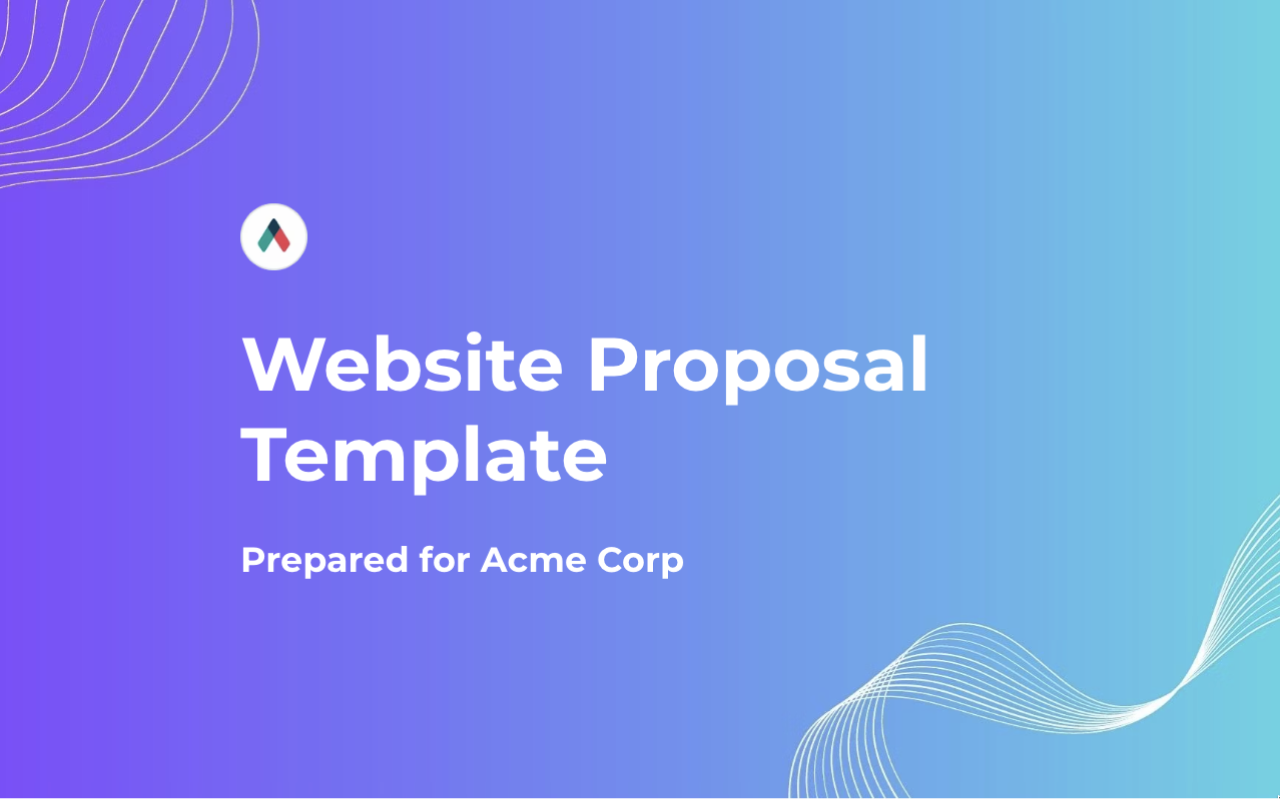
Here’s an example of what a good website design proposal might look like:
Objective: Design a modern, responsive website to enhance user experience, increase engagement by 40%, and drive conversions within six months.
Target Audience: Define user personas based on demographics, behaviors, and goals to guide the design process.
Design Elements:
- Homepage: A visually appealing, intuitive layout to grab attention and guide users.
- Navigation: Streamlined menus and internal linking for ease of use.
- Visual Design: Incorporate brand colors, typography, and imagery to create a cohesive look.
- Mobile Optimization: Ensure seamless functionality across devices.
Content Plan: Develop a content strategy focusing on clear messaging, engaging visuals, and optimized media to align with user intent.
Development Approach: Use a CMS like WordPress or Webflow for flexibility and scalability. Integrate analytics and SEO tools to monitor performance.
Maintenance and Support: Provide post-launch support, updates, and training for seamless website management.
Our website design proposal template offers a structured and creative approach to showcasing your vision effectively.
9. Graphic design proposal example
Great graphic design creates stories and emotional connections. A graphic design proposal states a brand-recognition objective, shows your understanding of the brand, lists deliverables (logos and icons, marketing materials, presentation design), shares your creative process, and sets a timeline with revision allowances.
Psst: read our guide to interior design proposals next.
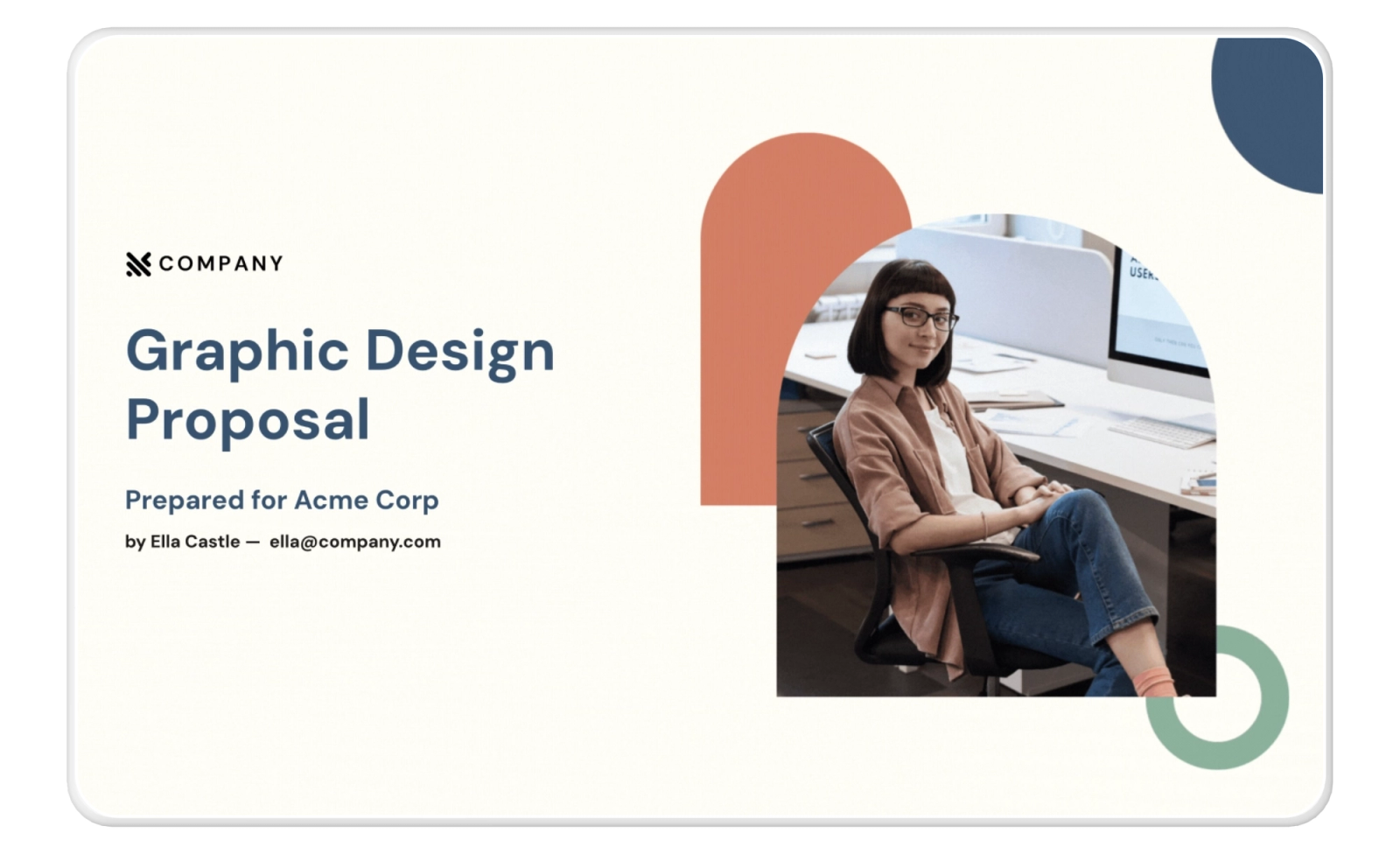
Take inspiration from this example excerpt:
Objective: Develop a cohesive set of graphic assets that increase brand recognition by 35% over three months.
Brand Understanding: Dive deep into the client’s brand values, tone, and goals to ensure every design reflects their identity.
Design Deliverables:
- Logos and Icons: Unique, scalable designs for branding and digital use.
- Marketing Materials: Brochures, flyers, and social media graphics tailored to campaigns.
- Presentation Design: Polished decks for professional use.
Creative Process: Share mood boards and initial concepts for feedback. Revise based on collaboration to achieve the perfect design.
Timeline and Revisions: Outline milestones for concept, drafts, and final delivery, including revision allowances.
Tools and Expertise: Leverage tools like Adobe Creative Suite and Figma to deliver high-quality designs.
Our graphic design proposal template helps you convey your creativity and professionalism with flair.
10. Pay-per-click (PPC) proposal example
Done well, PPC delivers targeted traffic and measurable results fast. A precise PPC proposal sets a lead and conversion objective, defines a targeting strategy and platform selection, structures the campaign (search, display, video), details budget and bidding, and uses tools like Google Ads Manager to optimize in real time.
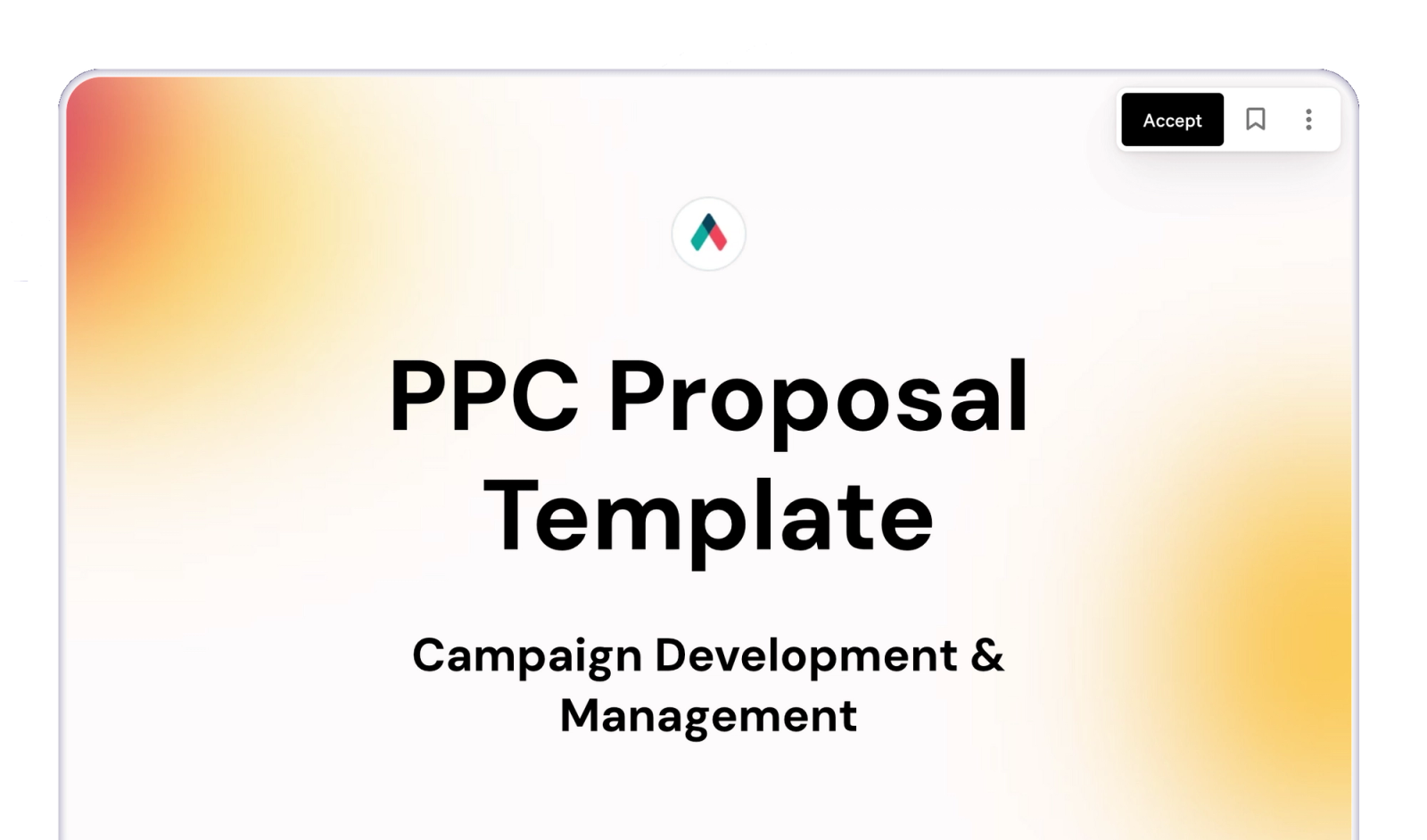
A PPC proposal example may look like this:
Objective: Increase leads and conversions by 30% within three months through strategically planned PPC campaigns.
Targeting Strategy:
- Audience Segmentation: Identify and target demographics based on interests and behaviors.
- Platform Selection: Focus on Google Ads, Bing Ads, and social platforms like Meta Ads.
Campaign Structure:
- Search Ads: Target high-intent keywords.
- Display Ads: Use captivating visuals to raise brand awareness.
- Video Ads: Leverage YouTube for engaging storytelling.
Budget and Bidding: Detail the budget allocation and bidding strategies to maximize ROI.
Tracking and Optimization: Use tools like Google Ads Manager to analyze performance and refine campaigns in real time.
Our PPC proposal template is your shortcut to creating a pitch that’s as compelling as the campaigns you deliver.
11. Branding proposal example
A strong brand is the soul of a business. A good branding proposal sets a loyalty and market-presence objective, defines brand strategy and positioning, details visual identity (logo, color palette, typography and imagery), provides brand guidelines, and lays out an implementation plan.
Take some tips from this example:
Objective: Develop a cohesive brand identity to increase customer loyalty and elevate market presence by 20% within six months.
Brand Strategy: Define the client’s mission, vision, and values. Create a unique positioning statement that resonates with the target audience.
Visual Identity:
- Logo Design: A signature element to anchor the brand.
- Color Palette: Define colors that evoke the desired emotions.
- Typography and Imagery: Establish consistent fonts and visual themes.
Brand Guidelines: Create a detailed style guide to ensure consistency across all platforms and touchpoints.
Implementation Plan: Support rollout across marketing materials, websites, and social media.
Our branding proposal template ensures your pitch makes a bold and unforgettable statement.
12. Advertising proposal example
A compelling advertising proposal lays the foundations for memorable, actionable campaigns. Set a visibility and sales objective, give a campaign overview, define ad channels (traditional and digital), present a creative concept with sample taglines or mockups, provide a budget and media plan, and track KPIs like impressions, clicks and conversions.
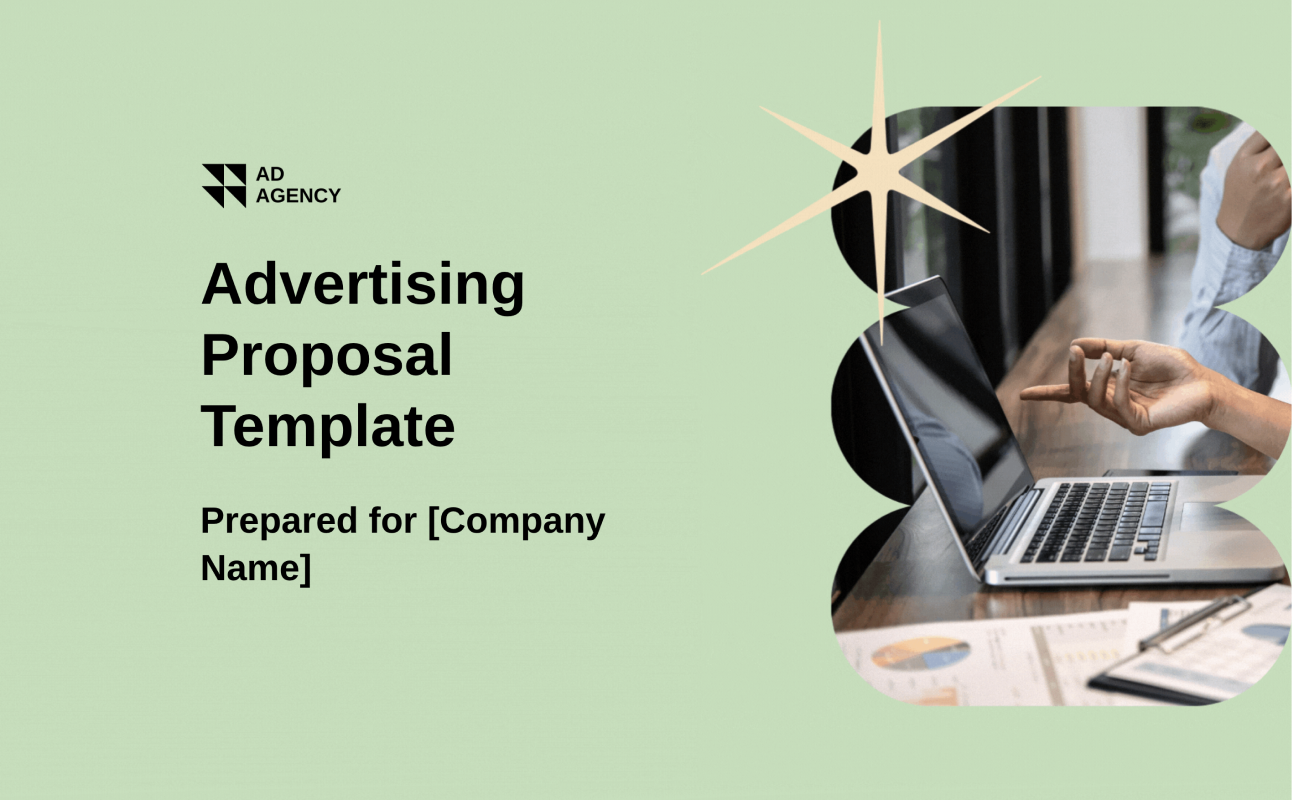
See example below:
Objective: Launch a multi-channel advertising campaign to boost brand visibility by 50% and drive a 20% increase in sales over the next quarter.
Campaign Overview: Identify the client’s goals and align messaging to resonate with their audience.
Ad Channels:
- Traditional Media: TV, radio, and print for mass reach.
- Digital Platforms: Social media, search engines, and display networks for precision targeting.
Creative Concept: Present a campaign theme that unifies messaging and visuals. Include sample taglines, mockups, or storyboards.
Budget and Media Plan: Provide a detailed breakdown of media spend, including expected impressions and reach.
Measurement: Track key performance indicators (KPIs) like impressions, clicks, and conversions to gauge success.
Our advertising proposal template helps you create compelling pitches that win clients and drive results.
13. Content marketing proposal example
Storytelling is at the heart of content marketing, so it should be at the heart of your content marketing proposal too. Set a traffic and lead objective, define buyer personas, lay out a content strategy (blogs, infographics, video, social), plan distribution, and track performance against KPIs like time on page and conversion rates.
Check out an example of must-have inclusions:
Objective: Create a strategic content plan to increase organic traffic by 50% and improve lead generation by 20% over six months.
Target Audience: Define buyer personas based on demographics, challenges, and goals to guide content creation.
Content Strategy:
- Blog Posts: Publish high-quality, SEO-optimized articles bi-weekly to address pain points and educate the audience.
- Infographics: Simplify complex data into visually appealing, shareable content.
- Video Content: Develop short, engaging videos to boost engagement and conversions.
- Social Media Content: Craft platform-specific posts to amplify content reach.
Distribution Plan: Leverage email campaigns, social media, and partnerships to maximize visibility.
Performance Tracking: Use tools like Google Analytics and HubSpot to measure content performance against KPIs such as time on page, engagement rates, and conversion rates.
Our content marketing proposal template streamlines your process and helps you deliver tailored, results-driven strategies with interactive and engaging add-ons.
14. Podcast marketing proposal example
Podcast marketing is about building a loyal audience with targeted strategies. Use your podcast proposal to impress sponsors with a clear plan: a listenership and partnership objective, listener personas, a content distribution strategy (social, email, collaborations), a monetization plan, an engagement plan, and analytics from platforms like Spotify for Podcasters.
Here is a concise and effective example:
Objective: Grow podcast listenership by 40% and secure five brand partnerships within three months.
Target Audience: Define listener personas by analyzing demographics, interests, and listening habits.
Content Distribution Strategy:
- Social Media: Promote episodes with teaser clips, audiograms, and quotes on Instagram, LinkedIn, and Twitter.
- Email Campaigns: Use newsletters to highlight upcoming episodes and past favorites.
- Collaborations: Partner with influencers and other podcasters to expand reach.
Monetization Plan: Develop sponsorship packages, including pre-roll, mid-roll, and post-roll ads, tailored to brand goals.
Engagement Plan: Encourage audience participation through Q&A segments, polls, and reviews to foster loyalty.
Analytics and Reporting: Track downloads, listener demographics, and engagement metrics using platforms like Spotify for Podcasters or Buzzsprout Analytics.
Our podcast marketing proposal template ensures you pitch an effective plan to amplify your audience and impact.
15. LinkedIn marketing proposal example
LinkedIn is the platform for business marketing. This is a space where thought leadership reigns and lead generation can be super effective if done right. Outline the strategies, tactics, and deliverables for a LinkedIn campaign that your prospects will love.
See this breakdown of what to include:
Objective: Increase engagement by 60% and generate 15 high-quality leads per month through targeted LinkedIn strategies.
Target Audience: Identify professionals by industry, role, and location to create highly tailored campaigns.
Content Strategy:
- Thought Leadership Posts: Publish weekly articles and insights to establish authority.
- Video Content: Share short, engaging videos to explain services and showcase expertise.
- LinkedIn Groups: Participate in niche groups to build trust and visibility.
Paid Campaigns: Leverage LinkedIn Ads to target decision-makers with Sponsored Posts, InMail, and Display Ads.
Engagement Plan: Connect with leads through personalized messages and timely follow-ups to nurture relationships.
Measurement: Track metrics like connection requests, post engagement, and lead conversions using LinkedIn Analytics.
Our LinkedIn marketing proposal template helps you create a polished pitch that speaks directly to your client’s goals.
16. Affiliate marketing proposal example
Affiliate marketing is a performance-driven strategy that rewards partnerships and expands brand reach through trusted advocates. Your proposal must demonstrate your skills in scaled customer acquisition. Focus on tactical strategies and include an in-depth execution plan.
Here’s an example of how we’d set it out:
Objective: Build an affiliate network to increase sales by 25% and brand visibility by 30% within six months.
Affiliate Program Design:
- Commission Structure: Define attractive incentives, such as percentage-based commissions or tiered rewards.
- Affiliate Tools: Provide banners, links, and email templates to support promotions.
Recruitment Strategy: Identify potential affiliates, including bloggers, influencers, and niche content creators, and craft outreach campaigns to onboard them.
Marketing Support: Offer affiliates access to marketing resources, training, and performance insights to drive success.
Tracking and Reporting: Use affiliate marketing platforms like ShareASale or Impact to monitor conversions, clicks, and payouts.
Compliance and Transparency: Ensure affiliates adhere to brand guidelines and disclosure requirements for ethical promotions.
Our affiliate marketing proposal template is designed to help you launch or scale a successful affiliate program with confidence.
Start using Qwilr to create your marketing proposal
Creating impactful proposals takes precision, creativity, and a deep understanding of your audience, and managing all of that without the right sales tools can be slow.
This is where Qwilr's proposal software steps in. Think of Qwilr as your assistant, helping you build visually rich, data-driven marketing proposals. Why settle for static PDFs when you can create interactive, web-based proposals that keep clients engaged?
With Qwilr, you can:
- Generate a first draft in minutes: the AI Proposal Creator scans your website and builds an on-brand marketing proposal you can shape around the campaign, drawing on patterns from over one million proposals
- Quickly customize templates that align with your brand and project needs.
- Incorporate engaging multimedia elements like videos and interactive quotes.
- Track how clients interact with your proposals so you can gauge intent and follow up effectively.
Running proposals at agency volume? Connect your CRM, like HubSpot or Salesforce, our Smart Proposal Engine builds each one from your CRM data within rules you set, and Qwilr's automation generates proposals from your CRM at scale so a tailored proposal is ready the moment a new client lands, with no copy-and-paste between deals.
Final Thoughts
As you apply these insights, consider using Qwilr to elevate your proposals. Our dynamic, interactive format turns strategic visions into persuasive presentations that win clients. Try Qwilr today and see the difference: the modern solution for the modern buyer.
About the author

Marissa Taffer|Founder & President of M. Taffer Consulting
Marissa Taffer is the Founder & President of M. Taffer Consulting. She brings over 15 years of sales and marketing experience across various industries to a broad range of clients.
Frequently asked questions
Point the AI Proposal Creator at your website and it produces an on-brand marketing proposal draft in minutes. From there you add the parts AI can't invent for you: the campaign objective, audience insight, creative angle, timeline and pricing. Used this way, AI removes the blank-page grind so you spend your time on the strategy that actually wins the client.
Most agencies send a static PDF that looks the same as the next one. You stand out by sending an interactive, web-based proposal: embed campaign mockups, a short Loom or video walkthrough, an interactive pricing or ROI section, and your own branding rather than a generic template. Qwilr proposals also tell you when a prospect opens and how long they spend on each section, so you can follow up while you are still front of mind, often before a competitor has replied. Generating the draft with the AI Proposal Creator frees up the time to make those differentiators sharp.
A strong marketing proposal includes eight parts: an executive summary, a problem statement, your proposed solution, specific goals and objectives, a timeline with milestones, a budget, case studies or testimonials, and a clear call to action.
Marketing proposals should be reviewed and updated quarterly to adapt to market changes, campaign results, and emerging trends. This ensures that your strategies remain relevant and effective.
Yes, Qwilr integrates seamlessly with many CRM and project management tools, enhancing your workflow and enabling you to maintain a cohesive marketing strategy across all platforms.
Connect your CRM, such as HubSpot, Salesforce or Pipedrive, and use Qwilr's automation to generate a tailored proposal for each new client automatically. Branding and pricing stay consistent, and you focus on the campaign strategy rather than copying and pasting between documents.