
Win more engagements with proposals built from your best work
Send the approach, fees and signature in one branded link, built from the methodology and case studies your firm already has.
4.6 out of 5 from 936 G2 reviews

Rated on G2 for proposals, return on investment and support




Assemble the proposal from work you have already done

One methodology across every partner
Partners pull the same approach, team bios and case studies from shared blocks, so a proposal from one office reads like a proposal from any other.

A branded page instead of an attachment
Your proposal arrives as a branded web page that looks like the quality of the advice behind it.

An email the moment they open it
Qwilr emails you the first time a client opens the proposal, so nobody is guessing when to pick up the phone.
From methodology to signature
Write the methodology once
Your methodology, team bios and case studies live as reusable blocks anyone can add to a proposal.
Admins control the templates, so every consultant starts from the version the firm has approved.
Explore the content library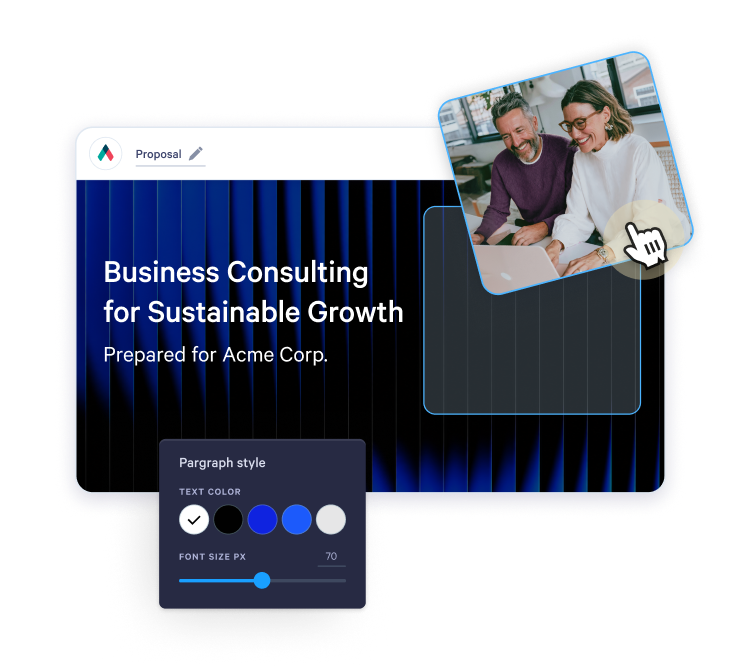
Day rate, fixed fee or retainer
Present approaches or phases as options the client chooses between, with optional work they can add or remove themselves. The total updates as they do.
Price work as one-off or recurring, monthly or annual. What the client selected is what lands on the record.
Explore quotes and pricing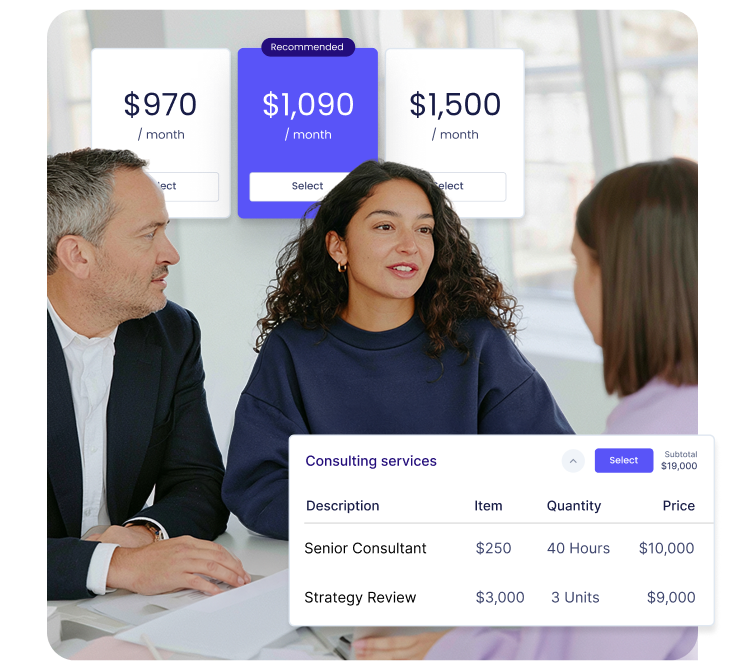
Call them the day they read it
See when the proposal was opened and which sections held their attention, so you know whether they reached the fees.
Email verification asks each reader to confirm who they are, so you can tell whether your sponsor or someone in finance is reviewing it and follow up while the conversation is still warm.
Explore buyer insights
Signed and paid in the same link
The client signs in the page, and you can collect a deposit through Stripe at the same time. Set it as a flat fee or a percentage of the total.
Once accepted, the page cannot be reversed, deleted or edited, and the audit trail records the acceptor's name, email and company.
Explore e-signature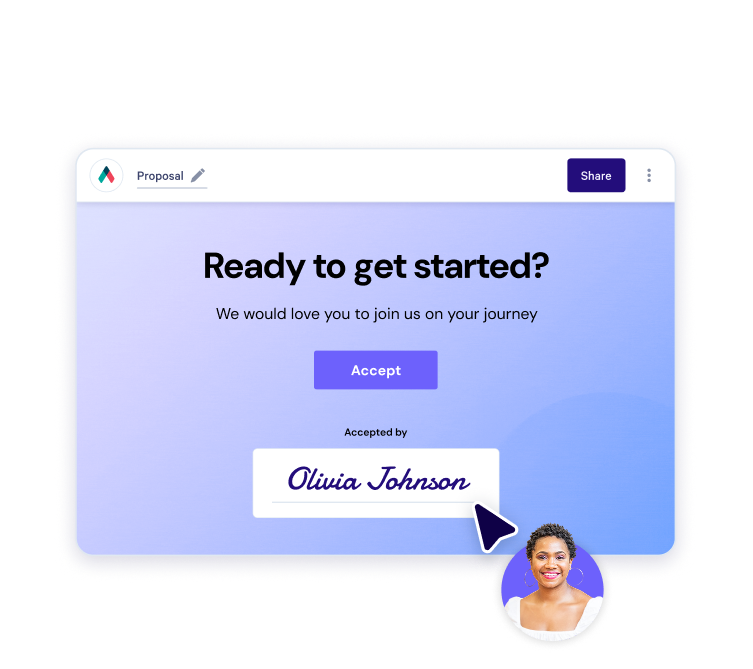
EQL doubled proposal conversion
EQL Consulting sells complex outsourced SDR engagements across logistics, enterprise software, robotics and industrial automation.
Since moving to Qwilr, their proposal conversion rate has roughly doubled, from around 30% to 60%, and building a proposal dropped from two or three hours to thirty minutes.
“I was just using the classic Microsoft tech stack and PDFs to build proposals. They were wordy, boring, bland, and they could have been done by anybody.”
Eddy Rowley, Chief Revenue Officer, EQL Consulting
Read the EQL Consulting story
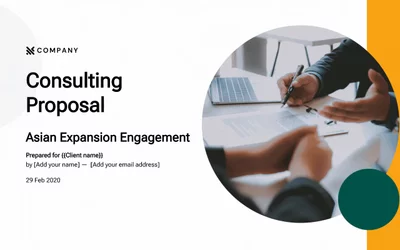
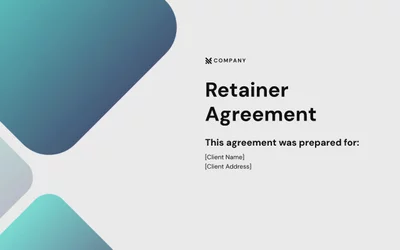
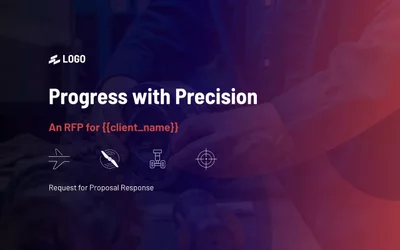
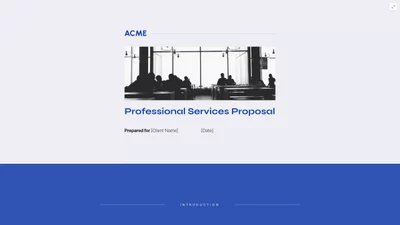
Start with a consulting proposal template
Free to use, and easy to adapt into your firm's own.
Browse all templates

Worth reading next
Guides from the Qwilr blog for consulting teams.
How to write an RFP response that wins
Structuring a response to a formal brief, and the sections buyers score you on.
How to structure a retainer agreement
Scope, term, renewal and what happens when the work runs beyond the agreed hours.
How to write a pricing proposal
Presenting day rates, fixed fees and phased pricing so the client can compare them.

Presenting complex pricing bundles
Where multi-option pricing loses people, and how to lay it out so it does not.
Questions consultancies ask
Proposal software for consulting firms produces the document you send to win an engagement: the approach, the scope, the fee basis and the terms, with signature inside the document. Management, strategy, HR and operations consultancies use it to build proposals from reusable blocks and see what the client read before they follow up. Software and IT consultancies have their own page on proposal software for software consulting.
Yes. You can present day rates, fixed fees and retainers in the same proposal, either as packages the client picks one of or as optional items they add. Costs can be one-off or recurring, and a quantity field with a set minimum and maximum lets the client choose the number of days, with the total updating as they go.
Our guide to writing a pricing proposal covers how to lay the options out so the client can compare them.
At minimum: the problem as you understand it, your approach, what you will deliver and by when, who does the work, the fee basis and the terms. Strong consulting proposals lead with the client's situation and put team bios and past engagements after the approach. A consulting proposal template gives you that structure, and each section can be saved as a reusable block.
A change of scope goes out as its own page with its own acceptance, so it doesn't end up as an amendment buried in an email thread. A page carries one accept block, and once accepted it cannot be reversed, deleted or edited, so the original engagement stays intact as its own record. Firms doing phased work tend to set each phase up this way from the start, often from a consulting agreement template.