
You aren't mistaken if you've noticed that buyers have become better prepared; in fact, they come into the discussions having already carried out their research, read the various comparisons, and have a fairly clear idea of what they want.
Gartner states that 67% of B2B buyers now prefer a representative-free buying experience. This means they want to move forward on their own terms and bring someone in when needed.
What counts as interactive proposal software and how does it assist self-guided buyers?
Sales teams can use interactive proposal software to send their proposals as live web pages rather than as static PDFs. Buyers are then able to look over the pricing, modify their requirements, and approve everything according to their own schedule, eliminating the need to wait for a sales representative to send them an updated version each time there's a change. This approach matches better with the way buyers wish to proceed through a deal.
Why buyers are doing more of the work themselves
Much of this shift is because people have easier access to information. According to Gartner, 45% of B2B buyers used generative AI during a recent purchase, mainly to research vendors and products, and this proportion will only increase.
By the proposal stage, buyers have usually already looked at your competitors' websites, read several case studies and formed a basic idea of what they need. This means the last thing they probably want is a salesperson to go over features they already know.
In that phase, they want someone who can speak to their situation, answer the tougher questions and help them feel confident they’re choosing well. Sales teams that lean into that usually perform better.
Where the process usually falls apart
The strange reality is that most sales processes were not designed with this kind of buyer in mind. The proposal is often one of the biggest pain points. Once a PDF goes out, there’s little transparency on what happens next. The buyer opens it, passes it around internally, sits with it for a few days, and the seller has no idea any of that is happening or what stage it's at.
So, when the buyer has questions or the seller sends follow-up emails into a void, there is no real sense of whether the deal is moving.
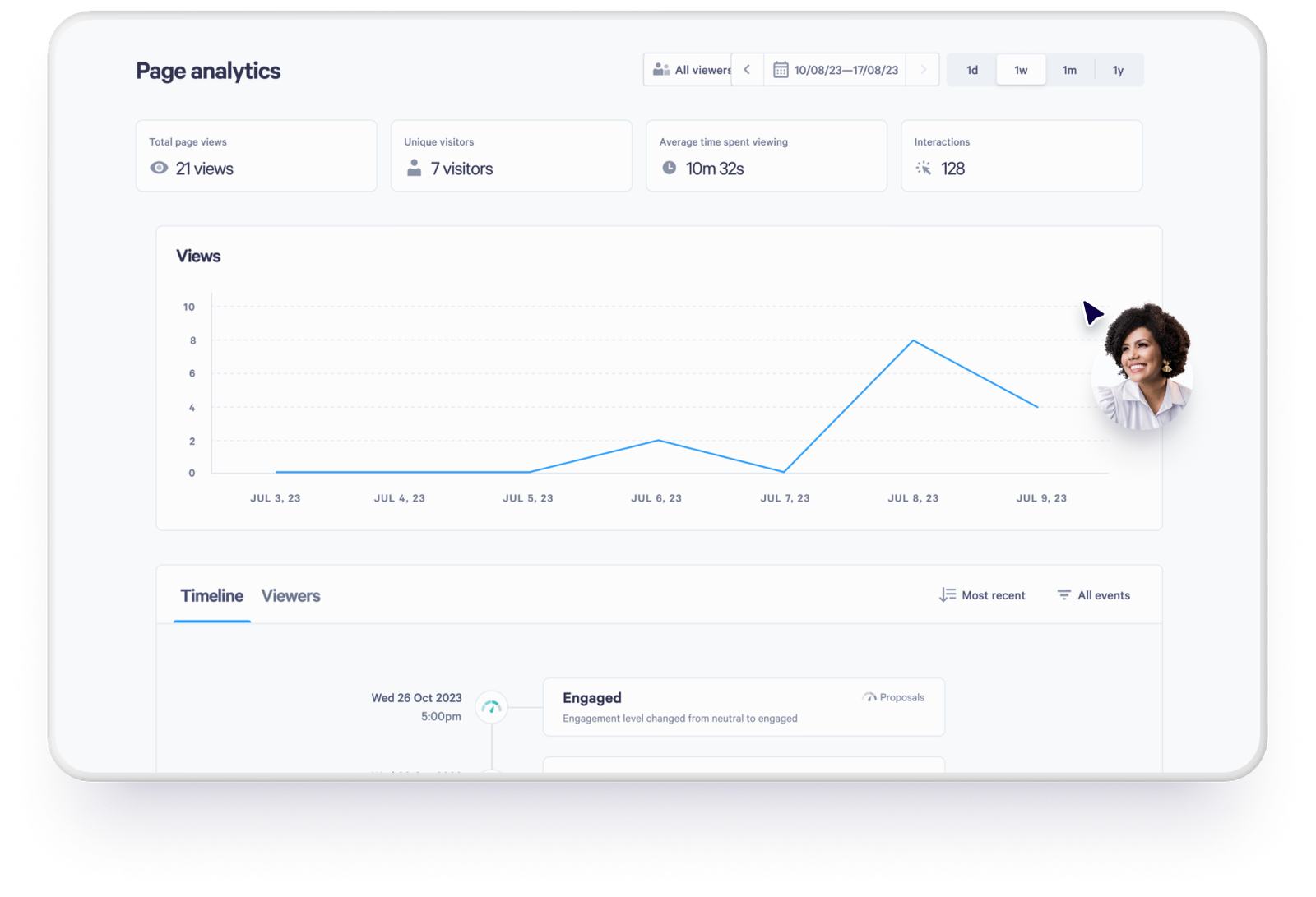
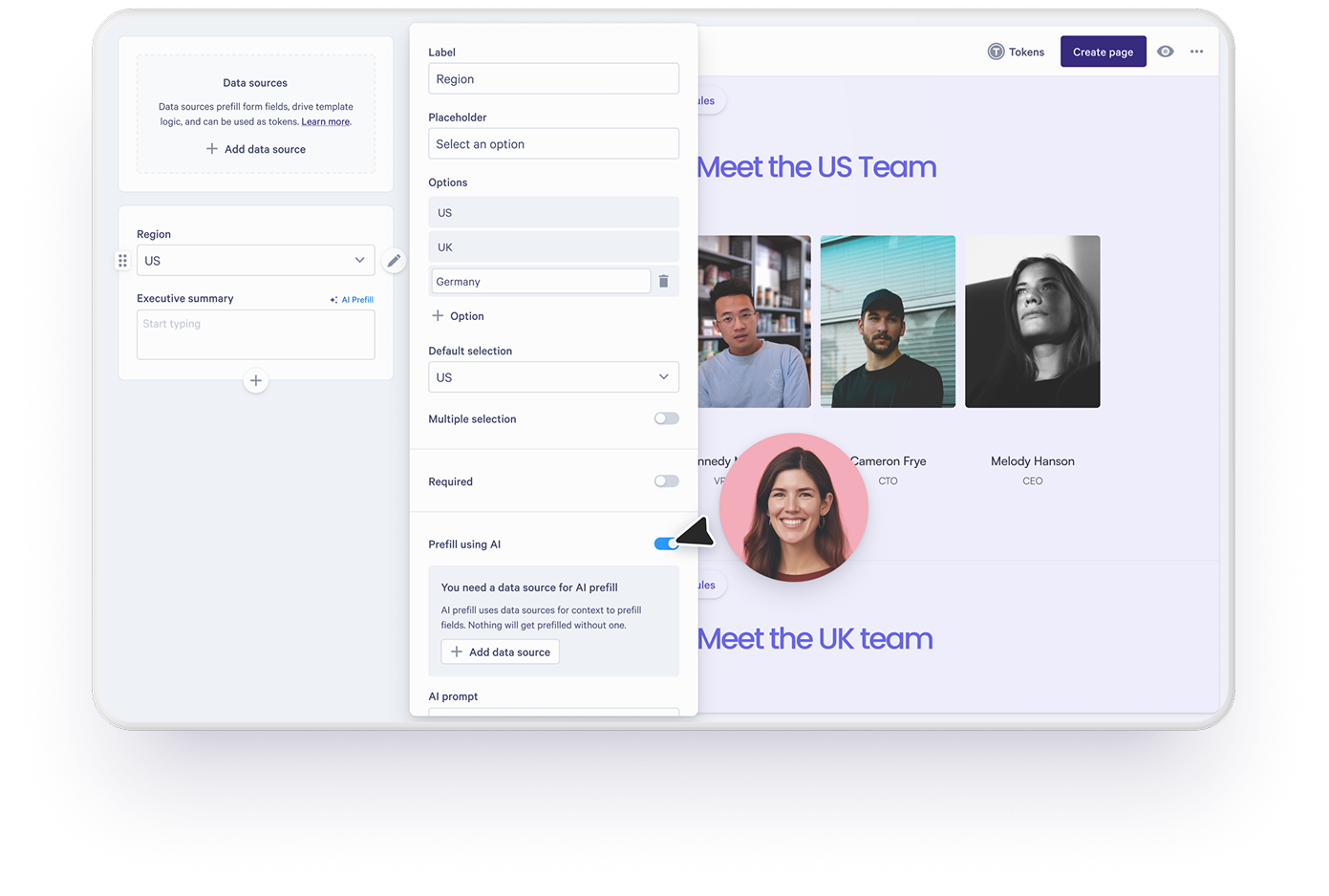
Qwilr's interactive proposals change that, taking you out of that limbo. With a web-based proposal, buyers can come back to it anytime, share it internally and adjust pricing or options without you reissuing a PDF. On your side, you can see what they’re engaging with, so you’re not guessing if it was read, shared, or ignored.
What buyers still want reps for
The fact that buyers want more control doesn't mean that they want to do it all by themselves. According to the same Gartner research, 69% of B2B buyers stated that they still want a sales representative to check what the AI tools are telling them. That is a significant figure.
The representatives were also considered the most important resource when it came to three specific areas. This includes assistance when:
- Defining the problem
- Selecting a supplier and building internal support for the decision
- Closing the deal
It is at these times that experience and trust are far more important than information.
The job of a representative is not going to vanish; instead, it's shifting to the final stage of the process, a stage where the consequences are greater and the questions more difficult. Proposal automation handles the repetitive work so reps can save their energy for those conversations. There's less time spent on product overviews and more spent on helping a buying committee reach agreement and feel at ease.
A few things that make a real difference
None of this requires a complete overhaul of how your team works. Just a few changes to how the proposal gets delivered can go a long way. Here are a few examples:
Sending a link instead of a PDF is the simplest one. A live web page does not get lost in an inbox, opens on any device, and is easy to forward to anyone else who needs to weigh in. Buyers can come back to it on their own time without having to dig through their emails.
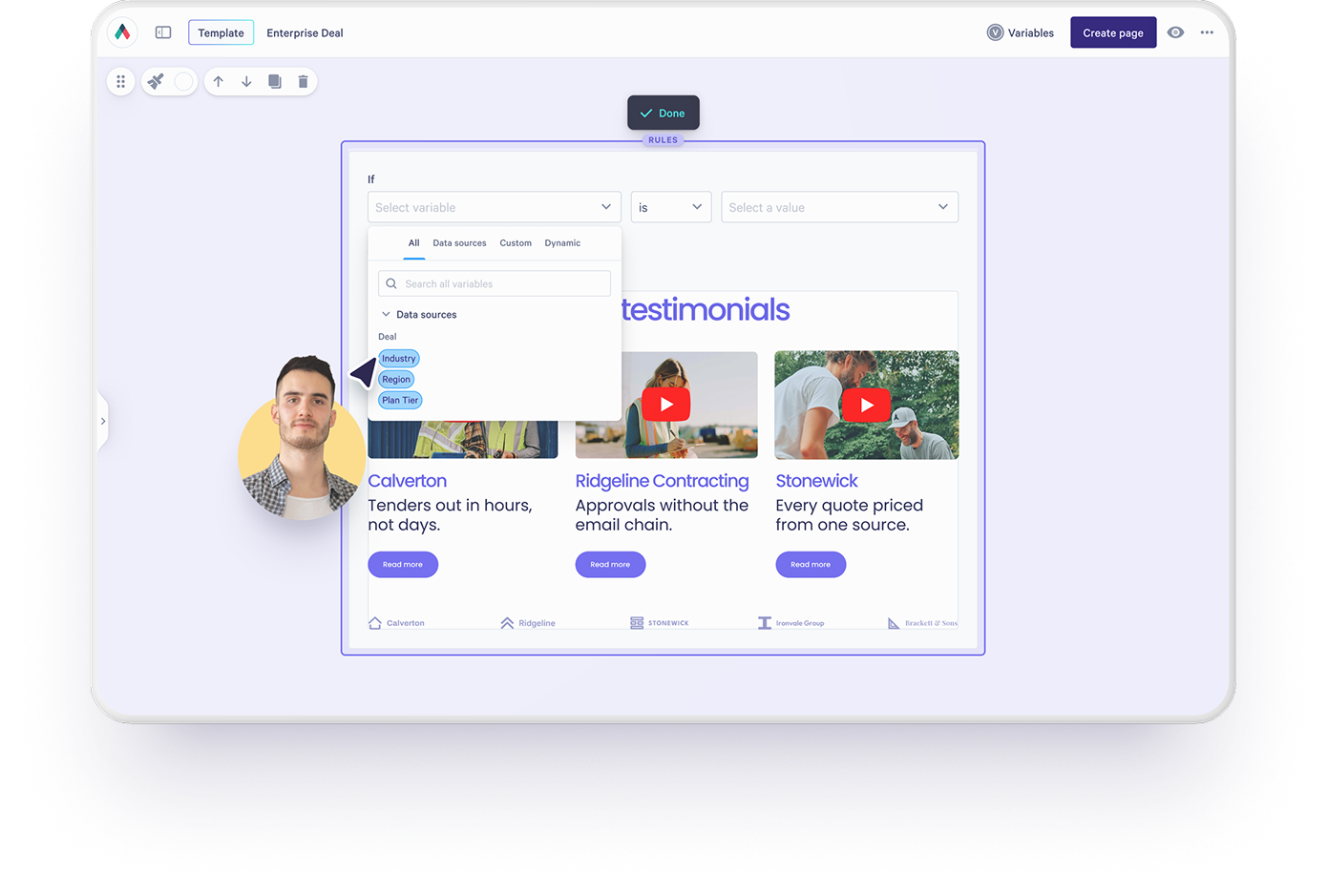
Letting buyers interact with pricing also removes a surprisingly common source of friction. Interactive quotes let them adjust scope and see how the numbers change in real time. It avoids the need of having to email back asking for a revised version.
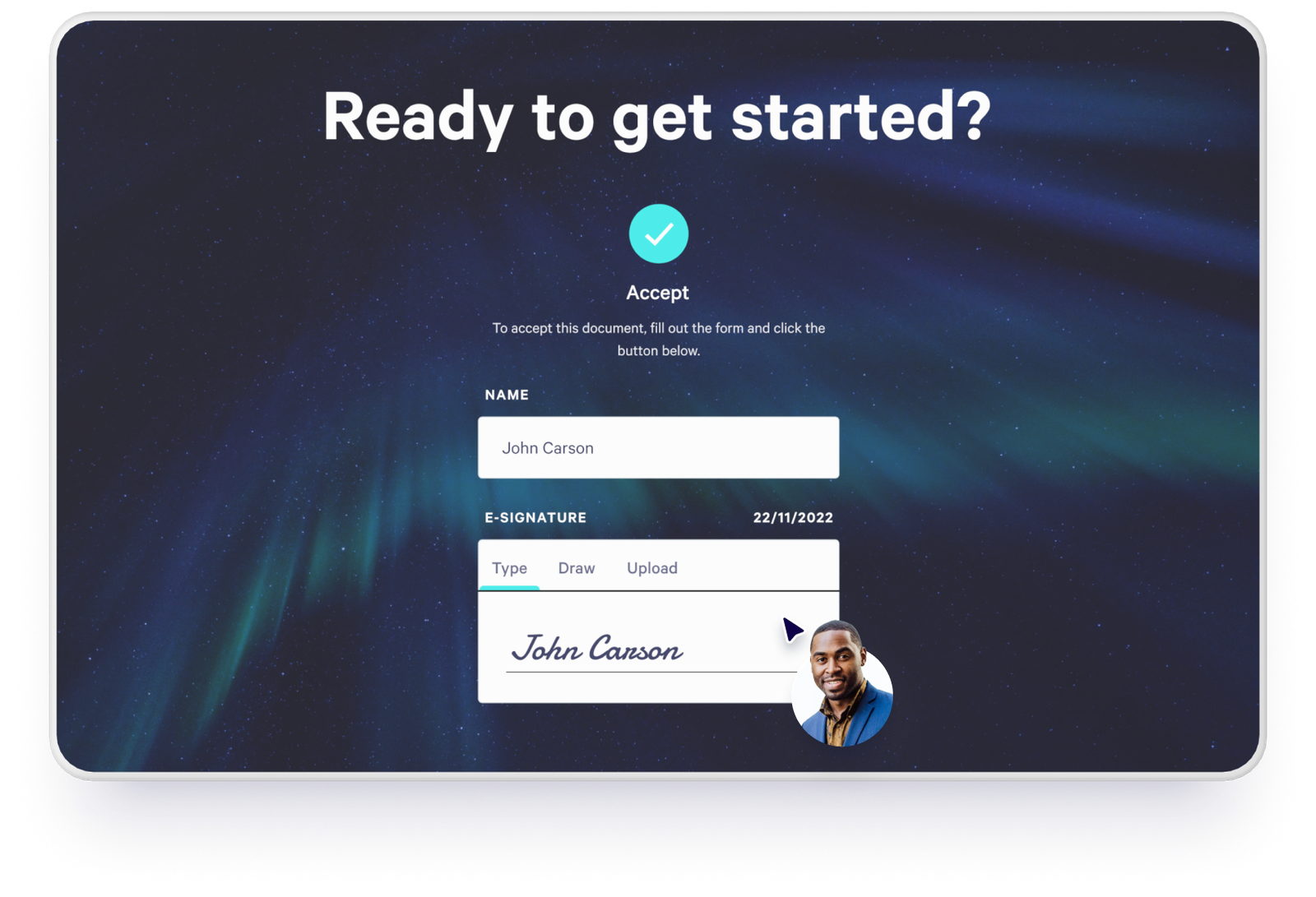
Make it as easy as possible for when someone is ready to sign. When an e-signature is built into the proposal, there is no extra step and no separate platform to log into. So, there’s no need for the deal to stall for two days while someone hunts for the right link.
Engaging at the right time. Buyer engagement analytics show when the proposal was opened, which sections people spent time on, and what they came back to. That way, when you follow up, you’re responding to real interest, not just a calendar reminder.
It’s clear that timing matters when closing a deal. As buyers seek more control over the sales process, sales reps can still play an important role in helping them make confident decisions. Interactive proposals make it easier for reps to step in at the right time, with the insights and context to provide that support.
If you want to see how Qwilr's interactive proposals can help you, book a demo and start a free trial.
About the author

Isabella Cerini-Palozzo|Copywriter & Content Specialist
Bella is a SEO copywriter and content specialist with a background in law, before transitioning into marketing and content. She helps brands grow visibility and drive action through clear messaging and search-led content (blogs, website copy, and social), with a focus on GEO/SEO, strategy, and conversion. A lifelong storyteller with an early passion for screenwriting, she brings narrative craft to everything she creates - and when she’s not writing, you’ll find her teaching yoga or enjoy a dip in the ocean.