
- University Development and Alumni Relations (DAR) report
University Development and Alumni Relations (DAR) report
Present a major giving opportunity to a donor with a personal letter, the case for support, a costed multi-year plan and how their gift will be recognized.
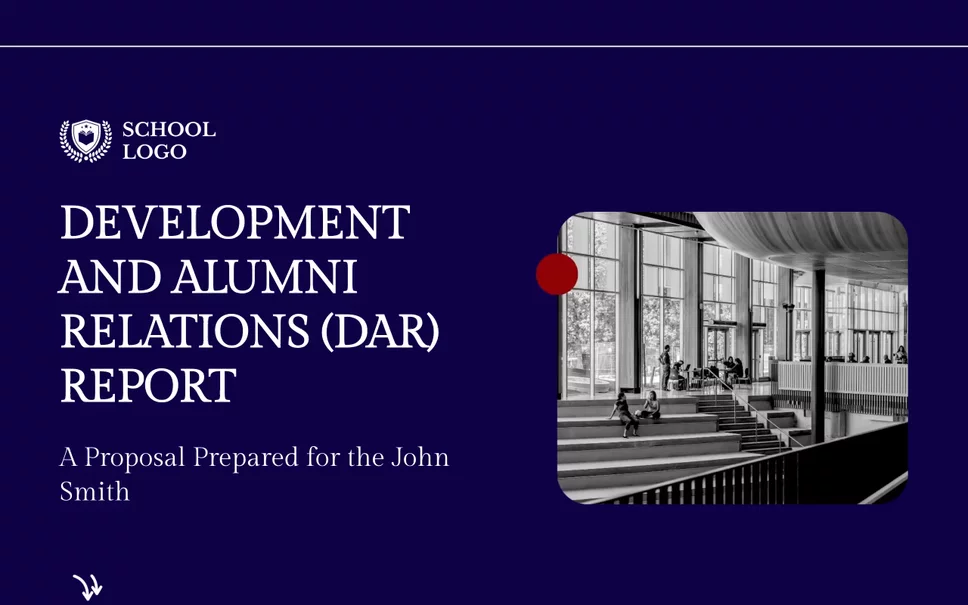
About this template
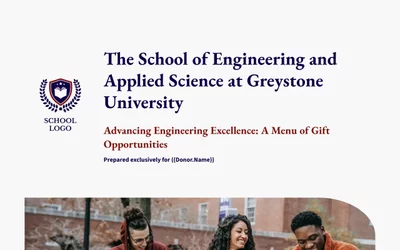
Use this template if you work in a university or school development and alumni relations (DAR) office and are asking a major donor or foundation to fund a program. It covers a personal letter from the dean, the case for support with student and alumni stories, the idea and the program it would fund, a three-year funding plan with budget highlights, how the donor will be recognized and an agreement they can sign online.
The institution, people, program and budget are examples, so replace them with your own. Our guide to writing a fundraising proposal covers the essentials. See how Qwilr works for donor reporting at universities.
Want a version built around your brand and programs? Qwilr's design team can create one for you. Talk to our team
What's included?
- Letter from the dean
- The case for support
- Student and alumni stories
- The idea
- The program
- Multi-year funding plan
- Budget highlights
- Donor recognition
- Agreement and e-signature
Why development offices use this template
Major gifts are rarely decided by one person. A donor may share the proposal with family, advisers or a foundation board, and sent as a link, everyone sees the same story, budget and recognition. You can also see when it's been opened and which parts were read.
Rated a Leader for proposal software on G2


Why Qwilr?
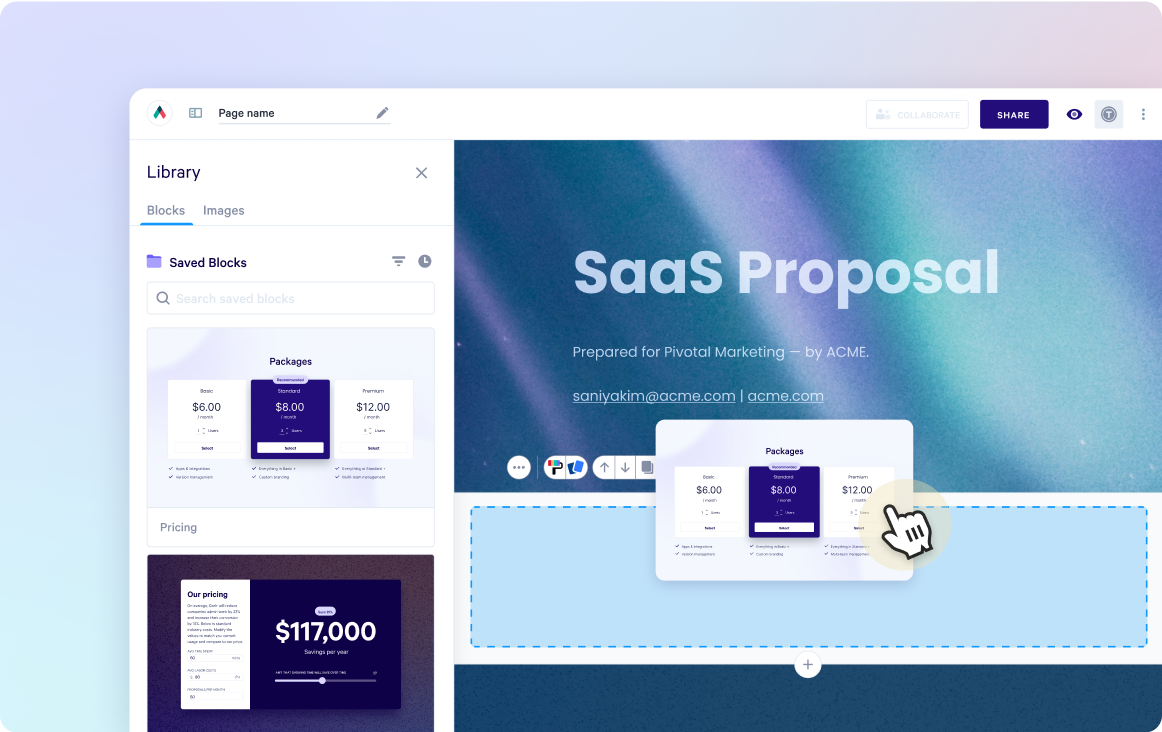
Design interactive proposals
Impress buyers with interactive proposals that stand out. Qwilr’s drag-and-drop editor makes it easy to create on-brand, stunning collateral — no design skills needed. Add videos, dynamic pricing, and ROI calculators to deliver a unique experience, while automated brand customizations ensure every proposal looks professional.
Built-in e-sign functionality
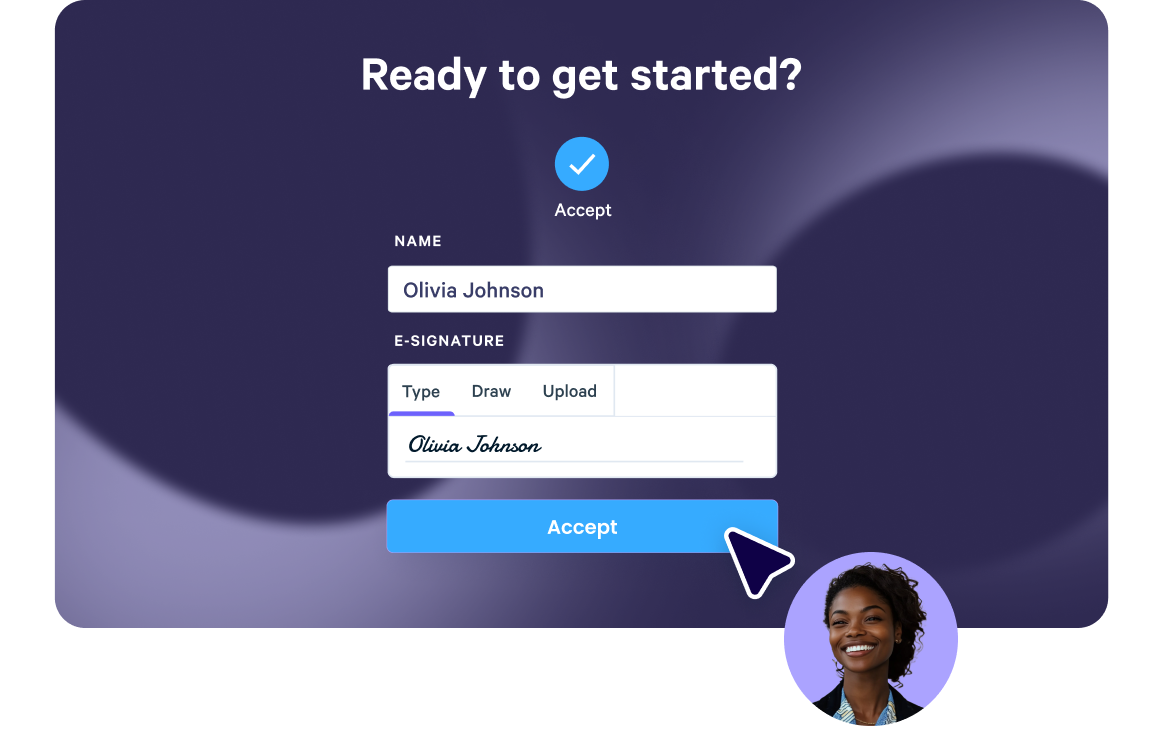
Combine stunning proposals, plain-text agreements, and secure e-signatures in one tool. Add print-friendly agreements alongside dynamic content and collect legally compliant e-signatures with ease. Track progress, capture multiple signatures, and close deals faster with Qwilr’s integrated e-sign functionality.
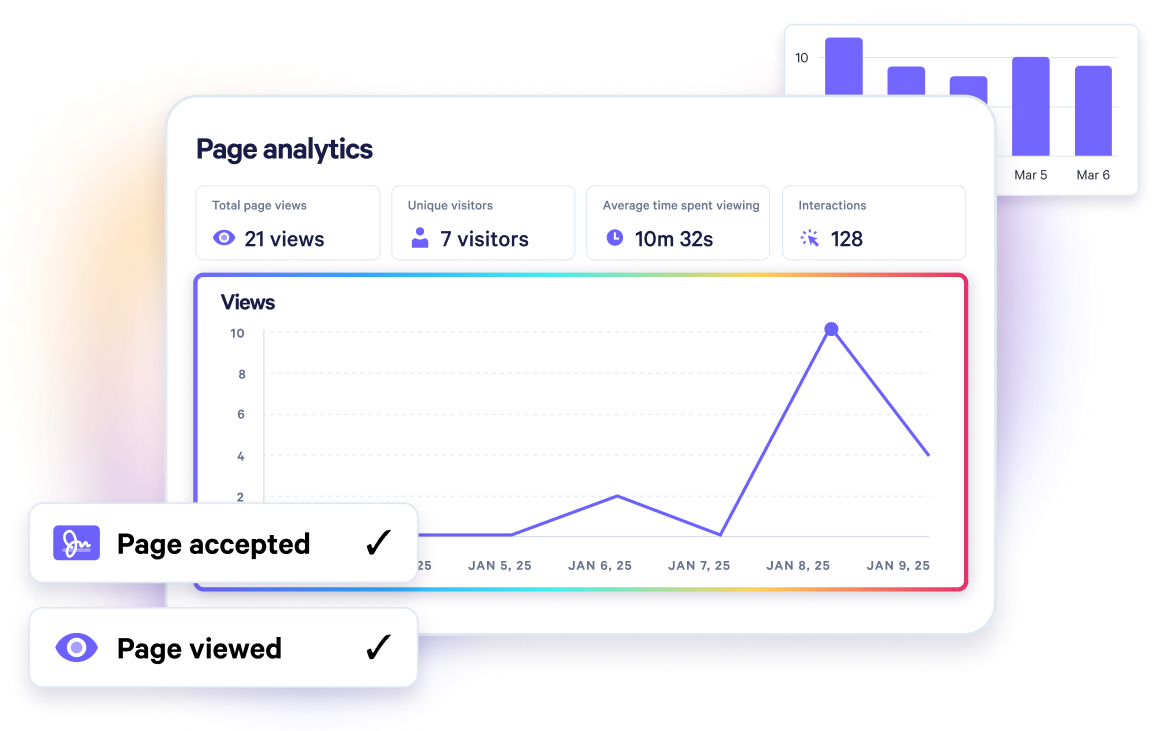
Real-time proposal analytics
Qwilr’s analytics provide full visibility into buyer engagement. Track when proposals are opened, signed, or shared, and get instant notifications for key buyer activities. See what buyers click on, how they engage, and prioritize follow-ups based on real-time insights—all designed to help close deals faster.
Templates for every use case
Explore templates for sales, marketing, customer success and more, or see how Qwilr works for your industry.
Explore reporting templates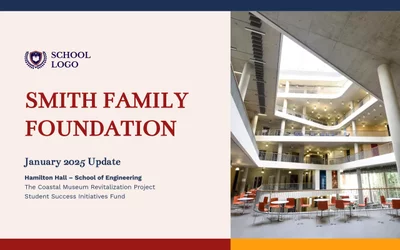
Frequently asked questions
In a university, development and alumni relations is the office that raises funds and builds relationships with alumni and donors. A DAR report or proposal presents a giving opportunity to a specific donor: the need, the program their gift would fund, the budget, the expected impact and how they'll be recognized.
Start with a personal letter that connects the donor's interests or history with the institution to the need. Then make the case with evidence and real stories, describe the program and its outcomes, show the budget and the amount you're asking for, and explain how you'll report back. See our guide to writing a fundraising proposal.
Show the total, then the amount and the main activities for each year, so the donor can see what each installment pays for. Keep the categories simple, such as staff, equipment and events, and explain how the program will be sustained once the gift is spent.
Agree recognition with the donor rather than assuming it. Options include naming a program, space or scholarship, mentions in publications, invitations to meet students and program leaders, and regular updates on outcomes. Some donors prefer to give anonymously, so ask.
Use what you know from your conversations: their reasons for giving, their connection to the institution and the outcomes they care about. Reflect these in the letter and the case for support, and include stories and results that match their interests rather than a general appeal.
Yes, for most gifts. With Qwilr's e-signatures, the donor can review the proposal and sign the gift or pledge agreement on the same page. Check your institution's gift acceptance policy for gifts that need extra approval, such as property or very large pledges.