
- SEM Proposal Template
SEM Proposal Template
Pitch search engine marketing with a review of the client's current campaigns, your keyword and tracking plan, and monthly packages they can sign online.

About this template
Use this template if you're an agency or freelancer pitching search engine marketing, the paid ads that appear on search results. It covers an executive summary, the client's challenge and priorities, 1-year goals for cost per acquisition and sign-ups, a review of current performance, your campaign strategy from keywords and ad placement to ad groups, ad copy and tracking, your services, team and results, three monthly packages and terms the client signs online.
The goals and client results are placeholders, so base them on the client's account data. For pay-per-click work that includes paid social, the PPC proposal template is a closer fit, and for Google alone, the Google Ads proposal template.
Want a version built around your brand and services? Qwilr's design team can create one for you. Talk to our team
What's included?
- Executive summary
- The challenge
- Key priorities
- 1-year goals
- Current performance analysis
- Campaign strategy
- Ad group structure and keywords
- Ad copy and creative
- Tracking and measurement
- How we can help
- Our team
- Recent client wins
- Testimonials
- Packages
- Terms and e-signature
Why search marketers use this template
Search ads are bought on numbers the client can check in their own account. Opening with a review of current performance, then a strategy tied to cost per acquisition and sign-ups, means your proposal starts from their data rather than your claims.
Rated a Leader for proposal software on G2



Why Qwilr?
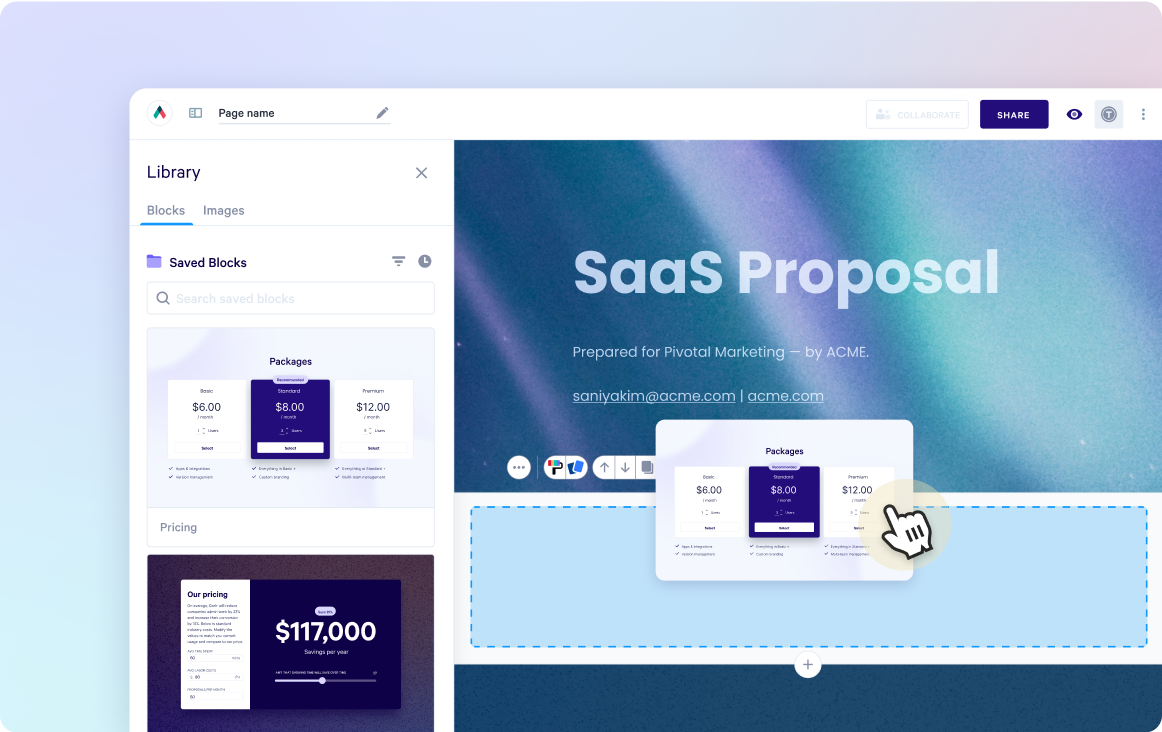
Design interactive proposals
Impress buyers with interactive proposals that stand out. Qwilr’s drag-and-drop editor makes it easy to create on-brand, stunning collateral — no design skills needed. Add videos, dynamic pricing, and ROI calculators to deliver a unique experience, while automated brand customizations ensure every proposal looks professional.
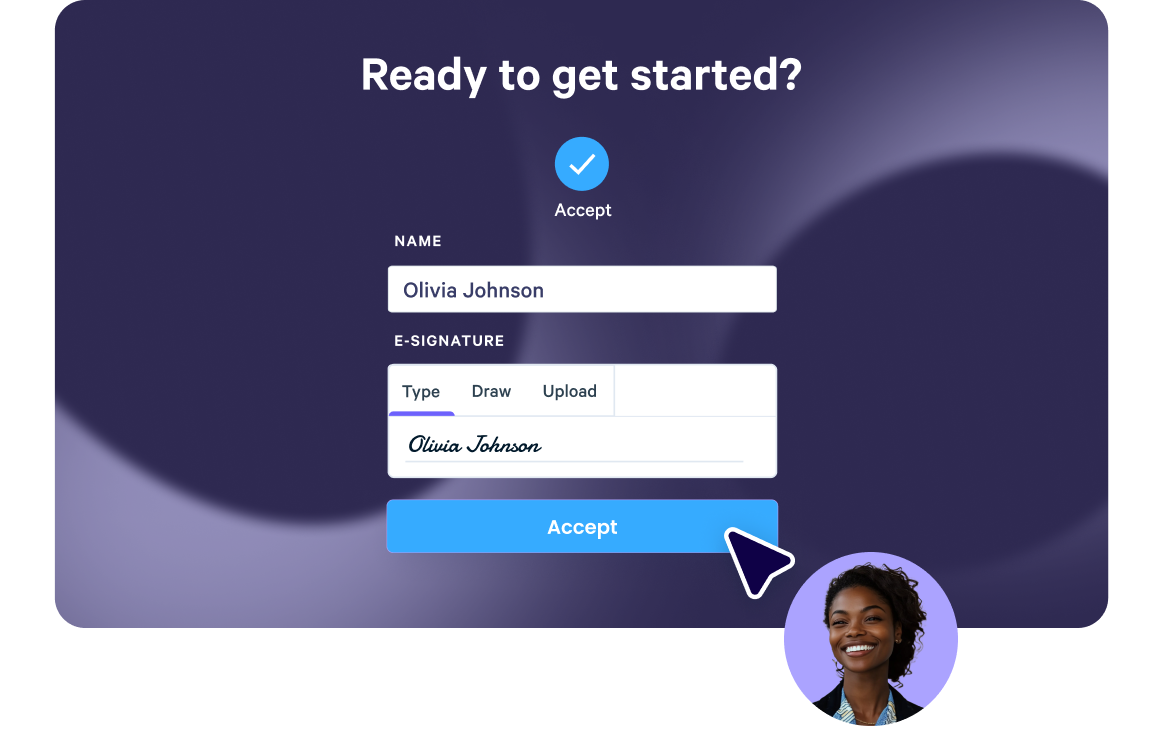
Built-in e-sign functionality
Combine stunning proposals, plain-text agreements, and secure e-signatures in one tool. Add print-friendly agreements alongside dynamic content and collect legally compliant e-signatures with ease. Track progress, capture multiple signatures, and close deals faster with Qwilr’s integrated e-sign functionality.
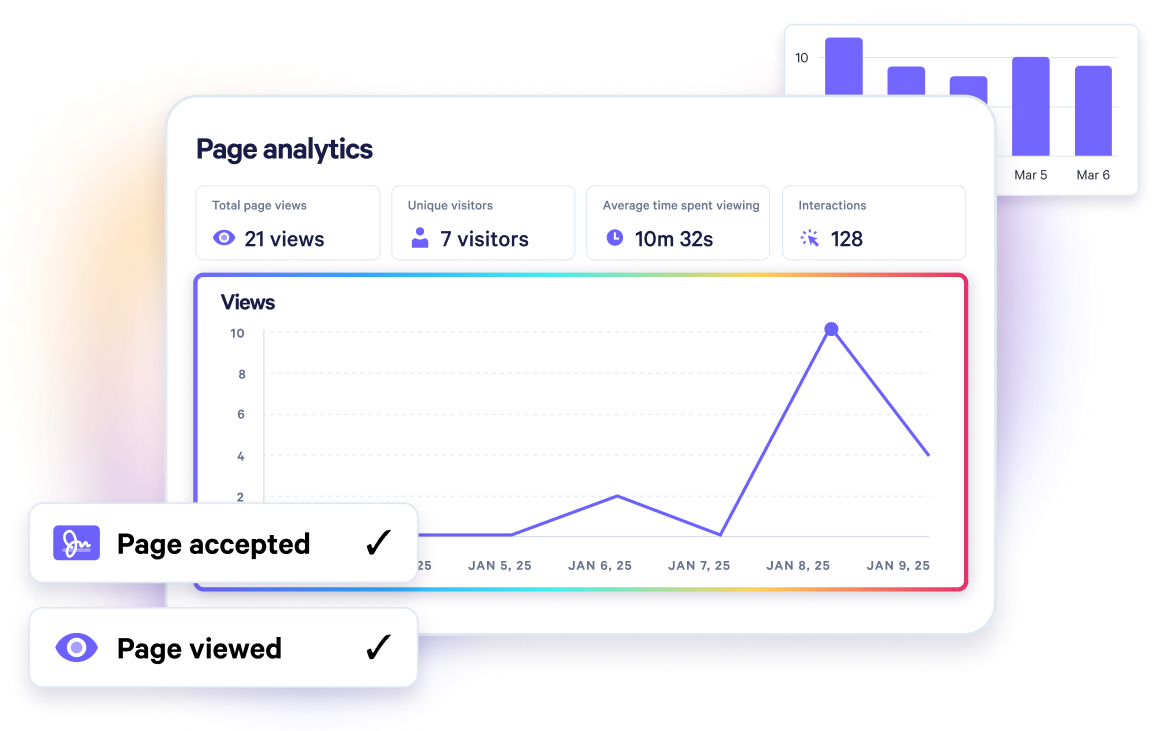
Real-time proposal analytics
Qwilr’s analytics provide full visibility into buyer engagement. Track when proposals are opened, signed, or shared, and get instant notifications for key buyer activities. See what buyers click on, how they engage, and prioritize follow-ups based on real-time insights—all designed to help close deals faster.
Templates for every use case
Explore templates for sales, marketing, customer success and more, or see how Qwilr works for your industry.
Explore marketing proposal templates



Frequently asked questions
Start by reviewing the client's current search campaigns, or their market if they're new to paid search, then set out goals, your keyword and campaign structure, ad copy, landing pages, tracking, reporting and fees. Base the targets on their own data, such as current cost per acquisition.
SEM, or search engine marketing, usually means paid ads on search engines such as Google and Bing. PPC describes any ad paid for per click, including paid social. SEO earns unpaid rankings. For a wider paid media pitch, use the PPC proposal template.
Often, yes. Microsoft Advertising shows ads on Bing and other Microsoft services, and its audience can skew towards business users and desktop searches, sometimes at a lower cost per click. Campaigns can usually be imported from Google, so recommend testing it once the Google account is performing.
Group keywords by theme and the intent behind the search, so each ad group has ads and a landing page that match what people typed. Separate brand terms from generic ones so you can see their results, and add negative keywords to stop ads showing for irrelevant searches.
Set up conversion tracking for the actions that matter, such as form fills, calls and purchases, and check it works before launch. For longer sales cycles, import outcomes from the client's CRM, such as qualified leads or closed deals, so campaigns are judged on revenue rather than clicks.
Most campaigns now do, because the platforms' automated bidding uses signals no person can track in real time. It works best with accurate conversion tracking and enough conversions to learn from. Explain which goal it will optimize for and how you'll check spend, such as reviewing search terms each week.