
- Competitor Battlecards Template
Competitor Battlecards Template
Build one battlecard per competitor, with who they are, why customers switch to you and how to answer them on each point.
About this template
Use this template to give your reps a battlecard for a single competitor. It covers a short profile of the competitor, quotes from customers who switched to you, your three main differentiators with supporting points and a customer quote for each, a product comparison video and how your pricing compares.
The example pits two fictional CRM companies against each other, so replace them with your product and the competitor. Keep it internal and short enough to check during a call. For an overview of your positioning against the whole market, use the sales battlecard template.
Want a version built around your brand and services? Qwilr's design team can create one for you. Talk to our team
What's included?
- Competitor overview
- Customer quotes
- Differentiator one
- Comparison video
- Differentiator two
- Differentiator three
- Pricing comparison
- Contact details
Why sales teams use this template
Reps lose competitive deals when they can't say clearly why customers switch. One battlecard per competitor, with the reasons and the proof in one place, gives every rep the same answers, and as a link it's easy to keep current.
Rated a Leader for proposal software on G2



Why Qwilr?
Design interactive proposals
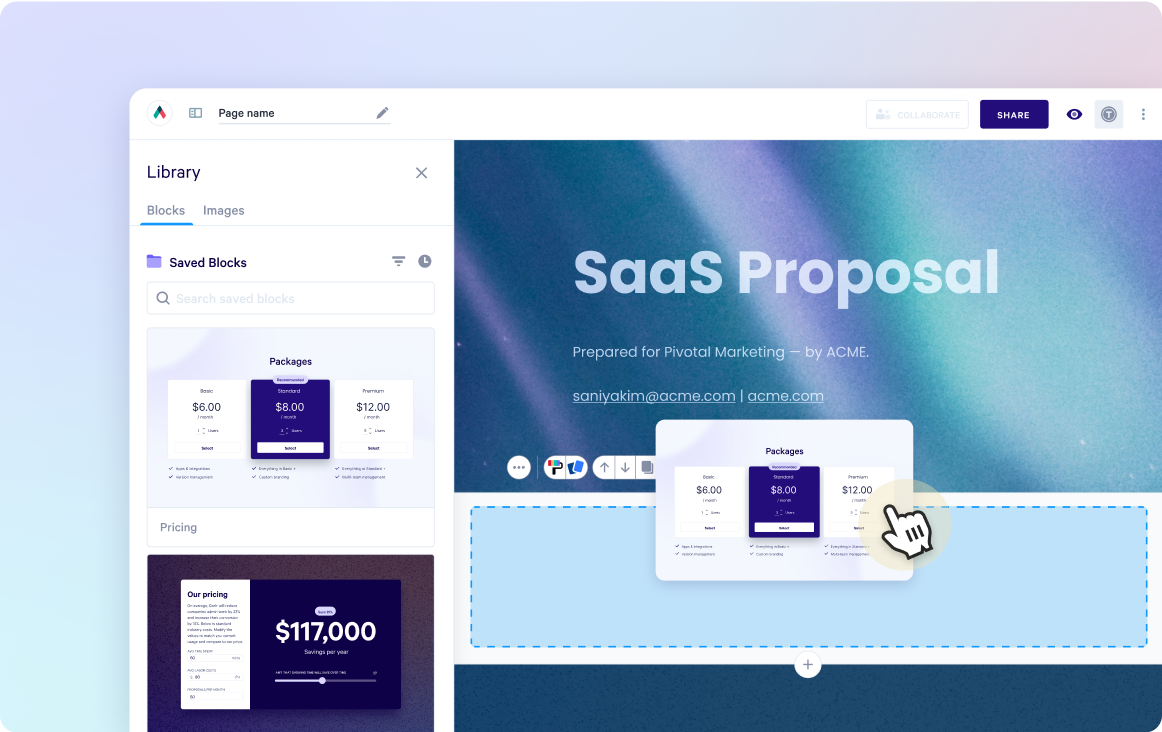
Impress buyers with interactive proposals that stand out. Qwilr’s drag-and-drop editor makes it easy to create on-brand, stunning collateral — no design skills needed. Add videos, dynamic pricing, and ROI calculators to deliver a unique experience, while automated brand customizations ensure every proposal looks professional.
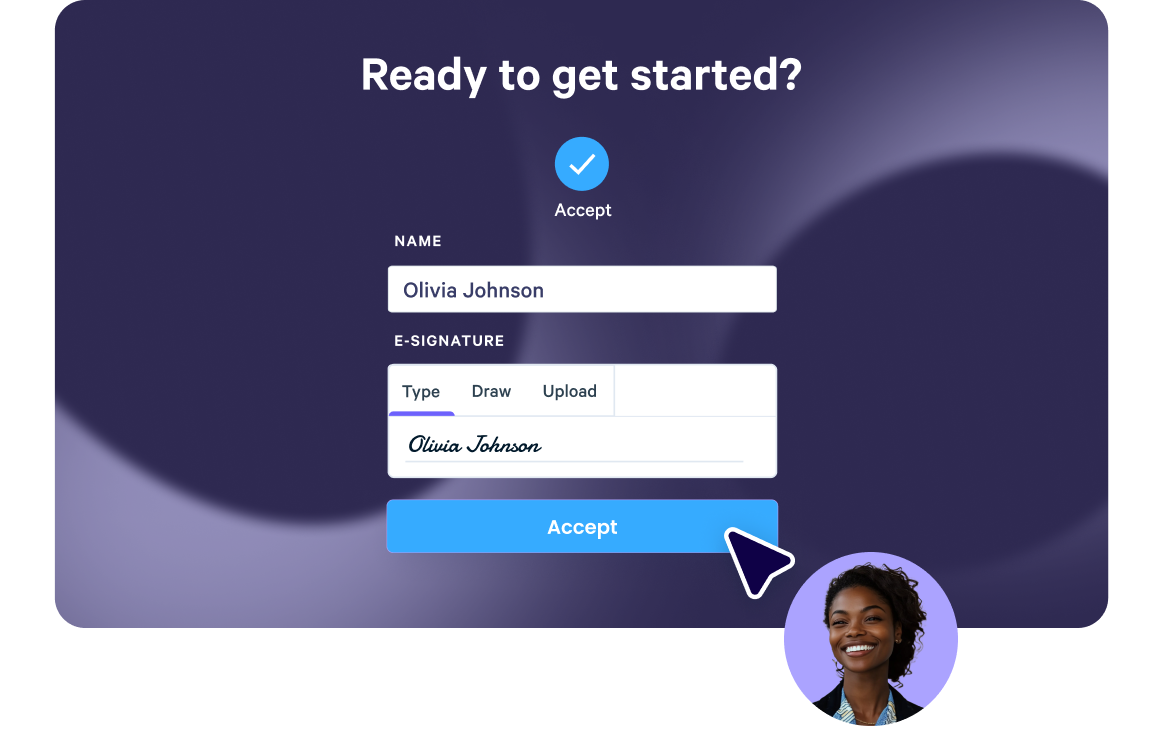
Built-in e-sign functionality
Combine stunning proposals, plain-text agreements, and secure e-signatures in one tool. Add print-friendly agreements alongside dynamic content and collect legally compliant e-signatures with ease. Track progress, capture multiple signatures, and close deals faster with Qwilr’s integrated e-sign functionality.
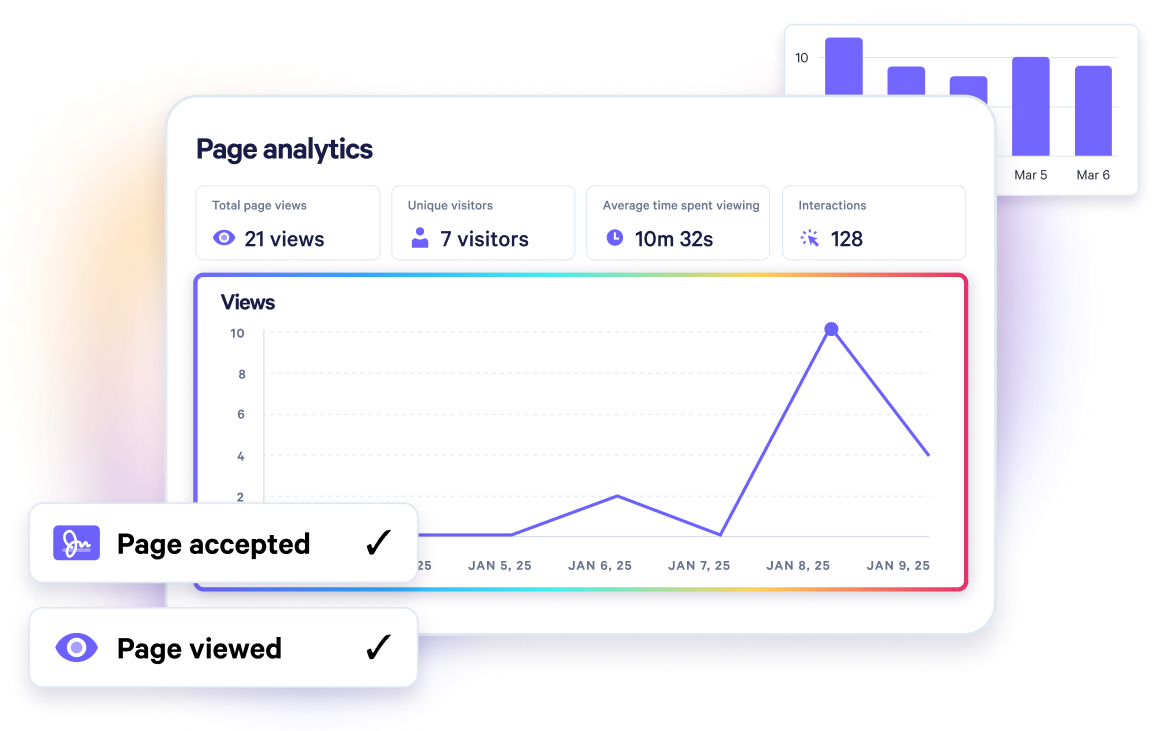
Real-time proposal analytics
Qwilr’s analytics provide full visibility into buyer engagement. Track when proposals are opened, signed, or shared, and get instant notifications for key buyer activities. See what buyers click on, how they engage, and prioritize follow-ups based on real-time insights—all designed to help close deals faster.
Templates for every use case
Explore templates for sales, marketing, customer success and more, or see how Qwilr works for your industry.
Explore sales process templates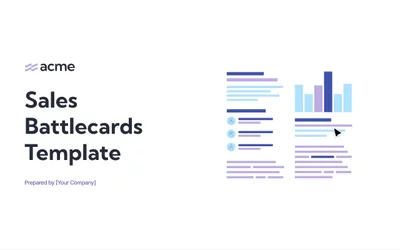

Frequently asked questions
A competitor battlecard is a short internal page about one competitor: who they are, where they're strong, where you win and how to respond when a buyer raises them. It gives reps quick, consistent answers in competitive deals. See our guide to sales enablement battle cards.
A short profile of the competitor, the main reasons buyers choose you over them, evidence for each such as customer quotes or results, common objections with answers, and how pricing compares. Keep each point short enough that a rep can find it during a live call.
Ask them. Talk to customers who moved from that competitor, review lost and won deal notes, and listen to call recordings where the competitor comes up. Quotes from people who switched are the most convincing proof you can give a rep.
One for each competitor you meet often, usually three to five. Start with the one that comes up in the most deals or costs you the most losses. Too many cards, kept poorly up to date, is worse than a few accurate ones.
A sales battlecard covers your positioning in general, including why you win and lose across the market. A competitor battlecard goes deep on one rival. Many teams keep one sales battlecard and a competitor card for each main rival.
No. They contain internal views about competitors and your own weaknesses. If a buyer asks for a comparison, send a short, fair summary focused on what matters to them, and back every claim with something you can show.