
- Construction Proposal Template
Construction Proposal Template
Set out the scope, timeline and costs of the build phase by phase, then get the proposal signed online.
About this template
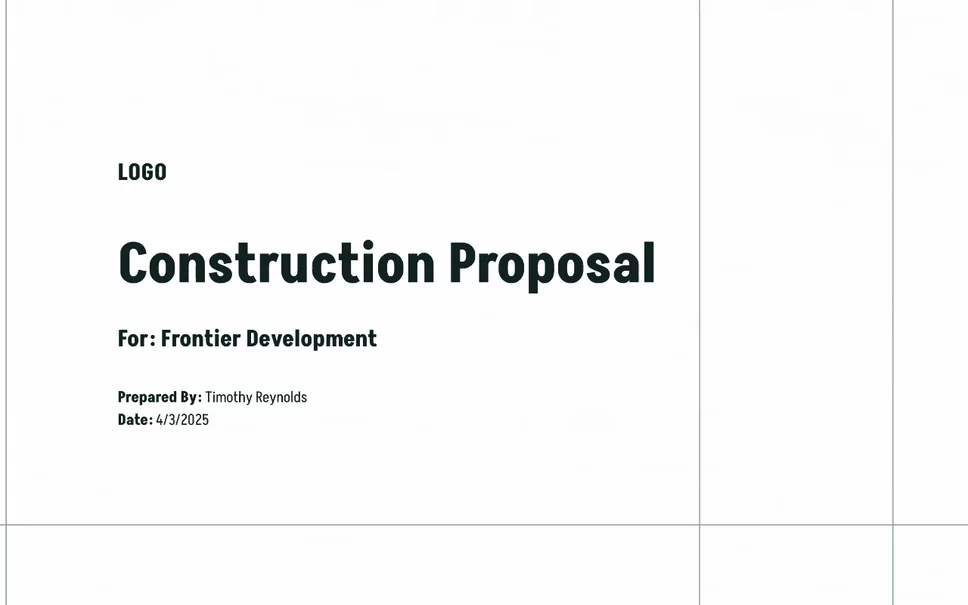
Use this template to bid on residential or commercial builds, from small apartment complexes to commercial fit-outs. The example is a ten-unit apartment project, with each part written to be replaced: project summary, work scope, plans and permits, client responsibilities, a four-phase timeline, logistics, company profile and a cost estimate with labor and materials for each phase.
Listing what the client is responsible for, such as site power and facilities, avoids disputes once work starts. See how construction companies use Qwilr to send proposals and win bids.
Want a version built around your brand and projects? Qwilr's design team can create one for you. Talk to our team
What's included?
- Cover letter
- Project summary and work scope
- Plans, permits and client responsibilities
- Timeline by phase
- Logistics
- Company profile and past projects
- Cost estimate by phase
- Client testimonial
- Next steps and meeting booking
- Agreement and e-signature
Why contractors use this template
Construction clients want to see where the money goes. This template breaks the estimate into phases, from foundation to finishes, with labor and materials priced separately and a running total, so there are fewer questions about the final number.
Qwilr helps me save a lot of time quoting construction projects with their templates and automations.
Verified G2 review
Rated a Leader for proposal software on G2



Why Qwilr?
Design interactive proposals
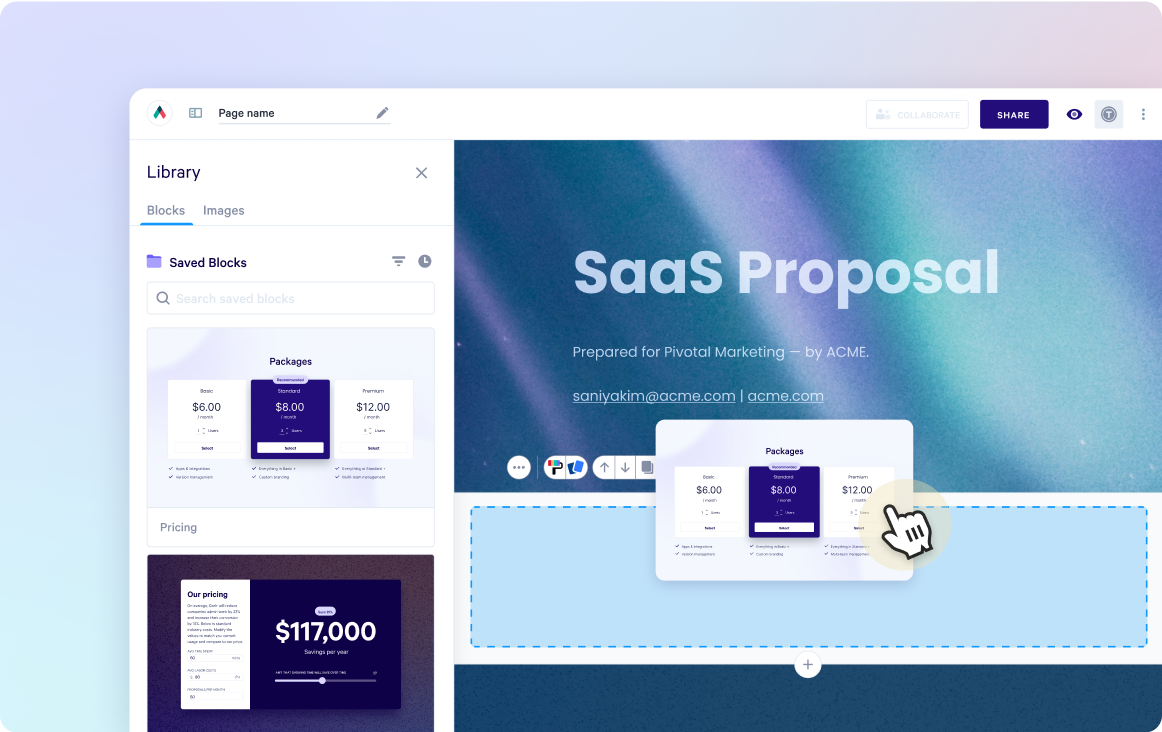
Impress buyers with interactive proposals that stand out. Qwilr’s drag-and-drop editor makes it easy to create on-brand, stunning collateral — no design skills needed. Add videos, dynamic pricing, and ROI calculators to deliver a unique experience, while automated brand customizations ensure every proposal looks professional.
Built-in e-sign functionality
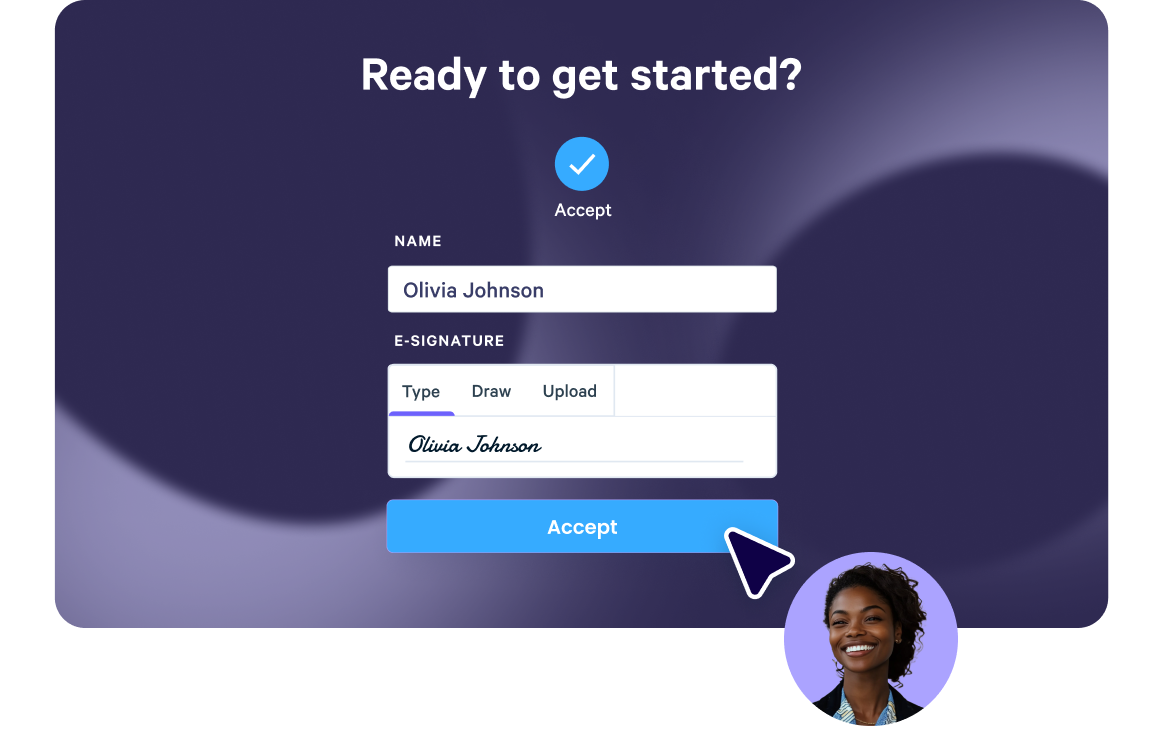
Combine stunning proposals, plain-text agreements, and secure e-signatures in one tool. Add print-friendly agreements alongside dynamic content and collect legally compliant e-signatures with ease. Track progress, capture multiple signatures, and close deals faster with Qwilr’s integrated e-sign functionality.
Real-time proposal analytics
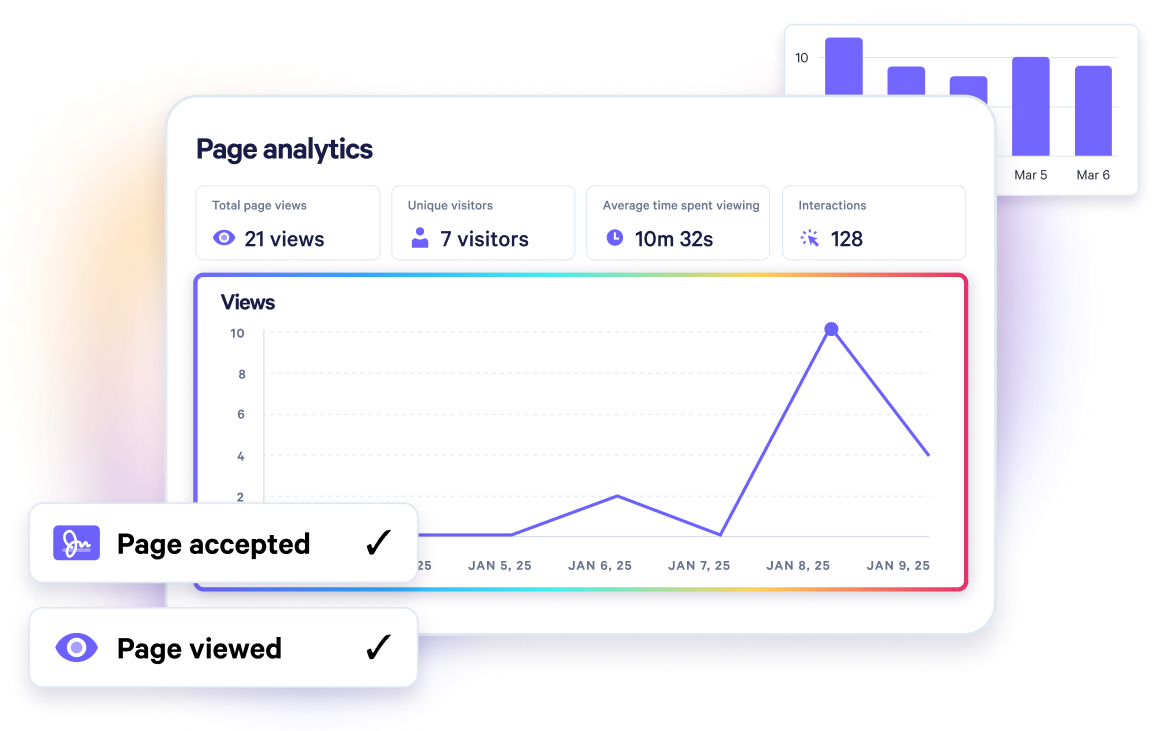
Qwilr’s analytics provide full visibility into buyer engagement. Track when proposals are opened, signed, or shared, and get instant notifications for key buyer activities. See what buyers click on, how they engage, and prioritize follow-ups based on real-time insights—all designed to help close deals faster.
Templates for every use case
Explore templates for sales, marketing, customer success and more, or see how Qwilr works for your industry.
Explore proposal templates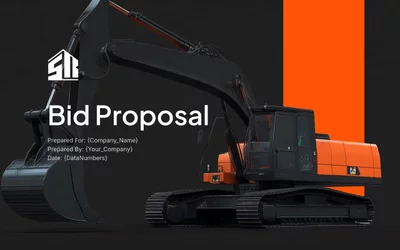

Frequently asked questions
Start with the project as the client described it, then set out the scope, timeline, what the client is responsible for, your costs and your terms. Back it up with past projects of a similar size and type. For a step-by-step guide, see how to write a construction proposal.
A construction proposal should include the project summary, scope of work, exclusions, timeline, cost estimate, payment schedule, permits, client responsibilities, warranties and your license and insurance details. Exclusions matter as much as inclusions: stating what isn't covered is what prevents cost disputes later.
An estimate gives the expected cost; a proposal puts that cost in context with the scope, timeline, terms and reasons to choose you. Many contractors send an estimate early to check the budget, then a proposal once the plans are firm enough to price properly. For formal tenders, the bid proposal template may suit better.
The proposal wins the job; the contract sets the binding terms, such as the payment schedule, variations, delays and dispute resolution. Some contractors attach the contract terms to the proposal so the client signs once. See how to write a construction contract for what to cover.
Tie payments to completed phases, such as foundation, framing, building and finishes, rather than to dates. A deposit before work starts is common, with progress payments after each phase and a final payment at completion. Put the schedule in the proposal so it's agreed before work begins.
State that any change to the agreed scope will be quoted and approved in writing before the work is done, and give your rates for labor and common materials. Clear variation terms protect your margin when the client changes their mind mid-build, and keep the relationship on good terms.