
- Partnership Agreement Template
Partnership Agreement Template
Agree how a partnership between two companies will work, who does what and how success is measured, then sign online.

About this template
Use this template if you're formalizing a commercial partnership between two companies, such as a technology integration, co-marketing or referral partnership. It covers an introduction, a partnership overview, each side's responsibilities, the benefits, success metrics, a testimonial from a past partner, FAQs on timeline, revenue sharing and contacts, and terms both sides sign online.
The companies and terms are examples, so replace them with your own and take legal advice on the final agreement. If you're still pitching the idea, start with the business partnership proposal template.
Want a version built around your brand and services? Qwilr's design team can create one for you. Talk to our team
What's included?
- Introduction
- Partnership overview
- Responsibilities
- Benefits
- Success metrics
- Partner testimonial
- FAQs
- Terms and e-signature
Why companies use this template
Partnerships often stall between a good first meeting and a signed agreement. Putting the overview, responsibilities, measures and terms in one page that both sides can review and sign keeps the momentum and gives each team the same reference point afterwards.
Rated a Leader for proposal software on G2



Why Qwilr?
Design interactive proposals
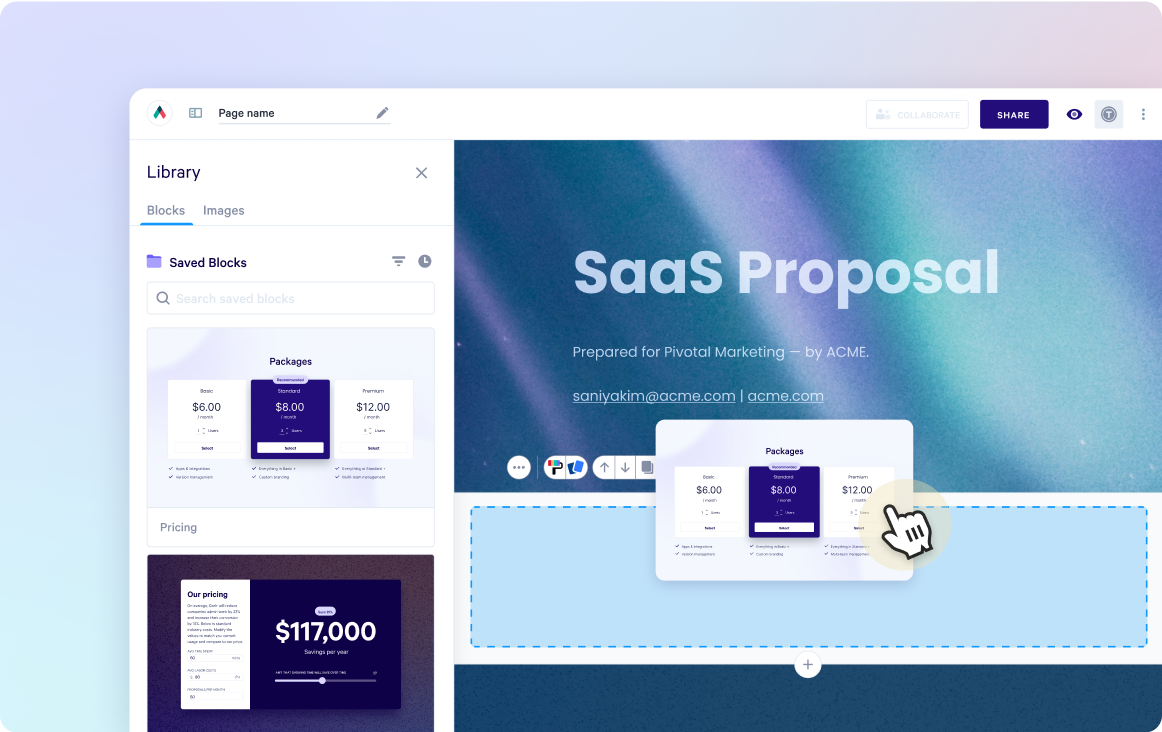
Impress buyers with interactive proposals that stand out. Qwilr’s drag-and-drop editor makes it easy to create on-brand, stunning collateral — no design skills needed. Add videos, dynamic pricing, and ROI calculators to deliver a unique experience, while automated brand customizations ensure every proposal looks professional.
Built-in e-sign functionality
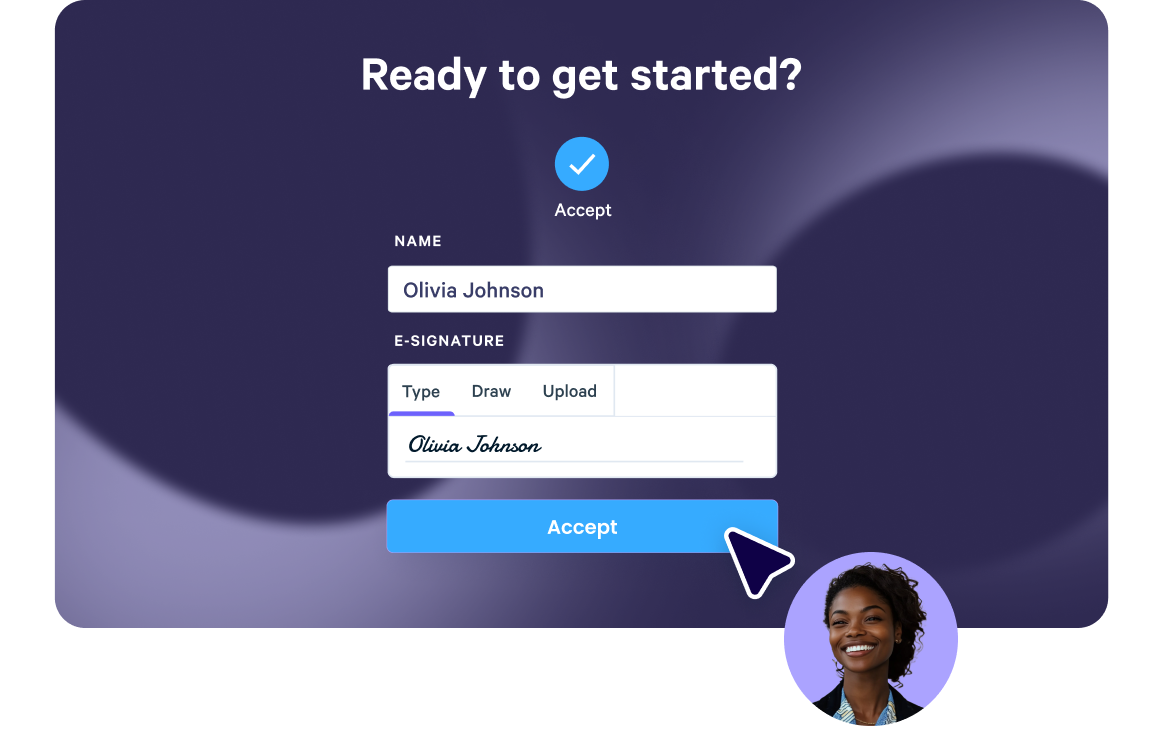
Combine stunning proposals, plain-text agreements, and secure e-signatures in one tool. Add print-friendly agreements alongside dynamic content and collect legally compliant e-signatures with ease. Track progress, capture multiple signatures, and close deals faster with Qwilr’s integrated e-sign functionality.
Real-time proposal analytics
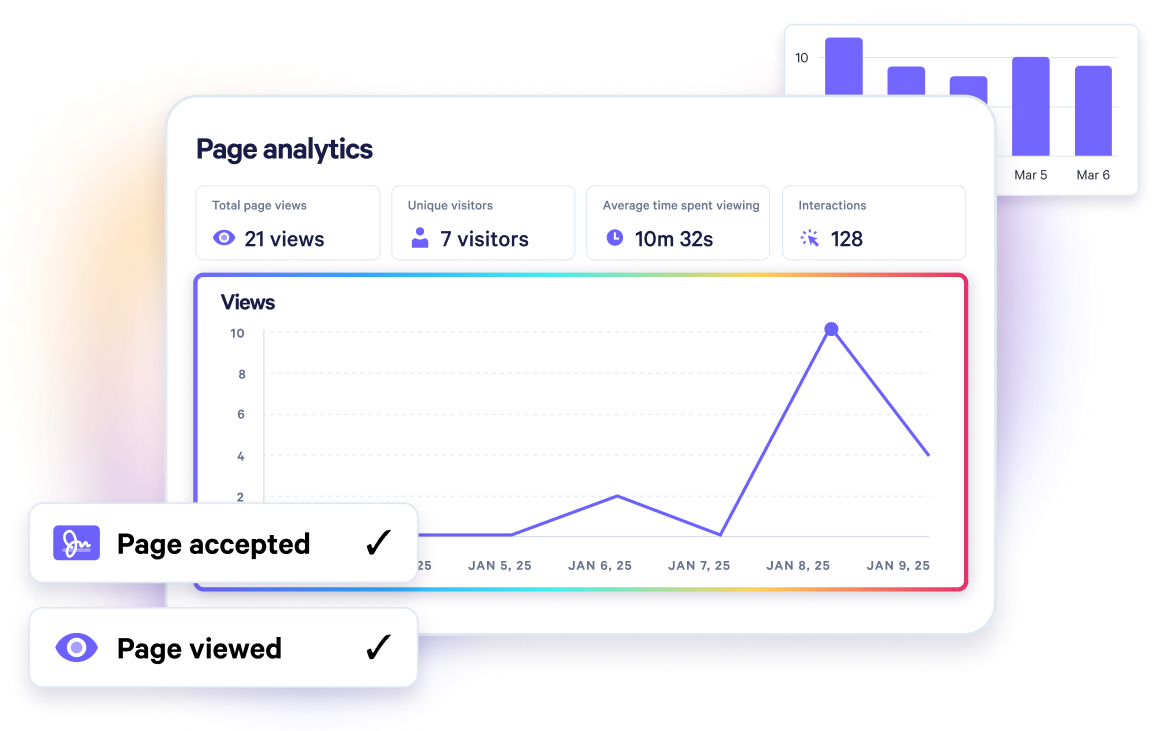
Qwilr’s analytics provide full visibility into buyer engagement. Track when proposals are opened, signed, or shared, and get instant notifications for key buyer activities. See what buyers click on, how they engage, and prioritize follow-ups based on real-time insights—all designed to help close deals faster.
Templates for every use case
Explore templates for sales, marketing, customer success and more, or see how Qwilr works for your industry.
Explore quote templates


Frequently asked questions
The purpose of the partnership, each side's responsibilities, how revenue or costs are shared, the success measures, who owns what, such as data and intellectual property, confidentiality, the term and renewal, how disputes are handled and how either side can end it. Take legal advice on the final wording.
No. This template covers a commercial agreement between two separate companies, such as an integration or co-marketing deal, where each stays independent. Forming a legal partnership, where people co-own a business and share its profits and liabilities, needs a different agreement and legal advice.
It can be, once both sides sign and it sets out clear terms, such as obligations and payments. Some agreements are written as non-binding outlines until a fuller contract is signed. Say which yours is, and have a lawyer review agreements with significant money or liability involved.
Agree it in writing. Usually each company keeps ownership of its own customer data and shares only what's needed for the partnership, under data protection rules. Set out what's shared, how it's used and protected, and what happens to it if the partnership ends.
Many start with an initial term, such as one year, with a review before it renews. Set a date to assess the success metrics and decide whether to expand, change or end the partnership. A fixed review point stops partnerships drifting on without results.
Follow the termination terms in the agreement, such as written notice within a set period or ending early if one side breaches the terms. Plan the exit in advance: how shared customers are supported, how data is returned and how any final payments are settled.